Romanticizing Running: The Important Role of Social Media in Glamorizing Physical Activity
The increasing social media presence of running has made the sport more social and diversified, encouraging beginners to run and reap its physical and mental benefits.
Reading Time: 3 minutes
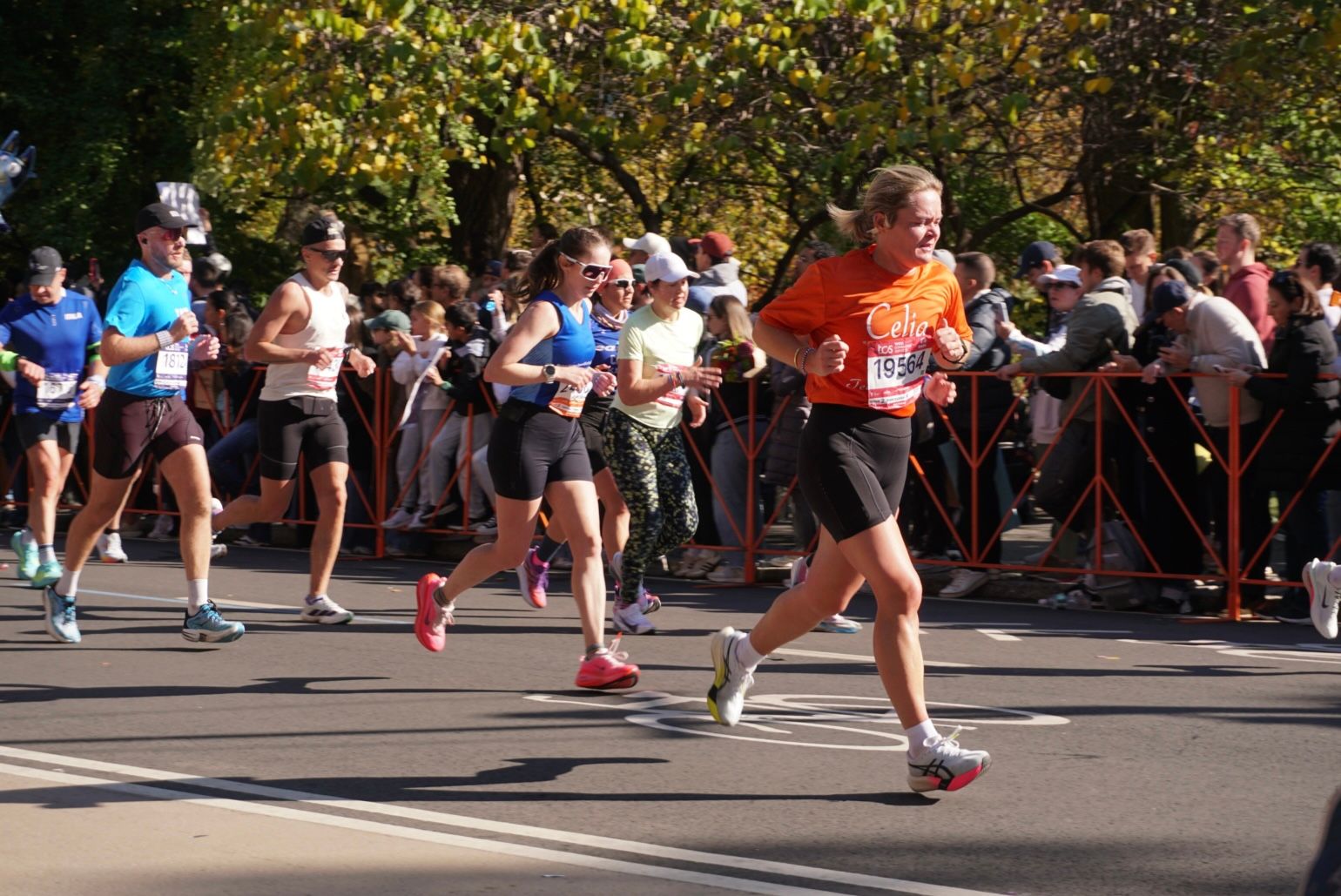
The smell of morning dew blankets the damp air. Glancing to my side, I see trees in bursting shades of red, orange, and yellow dotting the horizon. On a Saturday when I should be in bed sleeping, I find myself gearing up to run six miles with my friends and teammates. Nothing makes me happier when we begin our runs in Central Park than seeing fellow runners, kids, parents, and seniors putting on their running shoes, picking up their earbuds, and heading out for a run.
Recently, the number of runners across the United States has increased to over 50 million, largely due to the sport’s increasing social media presence. Platforms like Instagram and TikTok, along with fitness apps like Strava, have made the sport more accessible and aestheticized. While some contend that the “viral” nature of running online has promoted an image of sameness, the aestheticization of running on social media has encouraged beginners to start running, prompting lifelong healthy habits.
Today, running videos which demonstrate daily training routines, hanging out with running friends, or gorgeous views are becoming increasingly popular, with running influencers having been dubbed as “runfluencers.” These videos portray the merits of the sport and turn it into part of the larger health aesthetic that social media algorithms have pushed.
In addition to traditional social media platforms, fitness apps like Strava have capitalized on the move to make running a social sport. Strava, which has over 135 million users across upward of 190 countries, functions as more of a social networking platform than solely a fitness app. Similar to already popularized short-form video content, Strava allows athletic activities to be given “kudos,” or a like, and can be scrolled through on a home page. This transforms the sport from a solitary activity to one centered around support.
While social media has often been called out for its creation of “sameness” in its trends, it has had the opposite effect on running—increasing inclusivity and decreasing ostracization through diversified images of what the sport can mean. Individually, the mediatization of running has increased the number of unique stories of what running looks like, person by person and pace by pace. Whether the journeys portrayed are of high school athletes building back up from injuries, 40-year-olds beginning running for the first time, or of moms rediscovering what running can mean for them after having kids, social media highlights each of these experiences.
These diverse individual stories about running online have been able to connect people who feel similarly, particularly through run clubs in which runners meet on a regular basis to work toward fitness goals together. In 2024, running club participation on Strava increased by 59 percent globally, demonstrating how online sources have connected people in person as well.
Before the recent influence of social media on running, run clubs were thought of as serious and competitive, like the Brooklyn Track Club. However, with the influx of individual running journeys online, clubs have become more inclusive and diverse in their goals, serving as low-stress environments to promote fitness and fun. In some running clubs, like the Zucker’s Run Club for bagel-lovers and beginners, running is merely the backdrop to socializing. The New Mom Run Club is one of several clubs that offer a space for mothers to run and explore how motherhood changes the sport for them. No matter the experience or level of the runner, social media has made it possible for there to be a space in running for everyone, encouraging people who may never have otherwise picked up the activity to begin with.
Furthermore, the astounding net health benefits of bringing more people into running are another major positive of its increasing media presence. Marathoners have been shown to have elite cardiovascular strength, and even members of social run clubs can develop a more efficient heart. Merely 150 minutes of cardiovascular activity a week can result in improved thinking for children, reduced short-term anxiety for adults, and reduced risk of heart disease and stroke—the two leading causes of death in the U.S.
Given the mental and physical benefits of running, the community spirit it can promote, and its social media aestheticization, it is evident why running has become so much more prevalent. Though running influencers and run clubs have changed how the sport is viewed, their overall effect is bringing more people into running. If anything, this is a remarkable societal change, and it should lead us to hope that with a continued supportive atmosphere, the world can reach a greater state of physical and mental well-being together.