
Julian Casablancas’ Failed Monte Cristo: Reality Awaits
Reading Time: 4 minutes
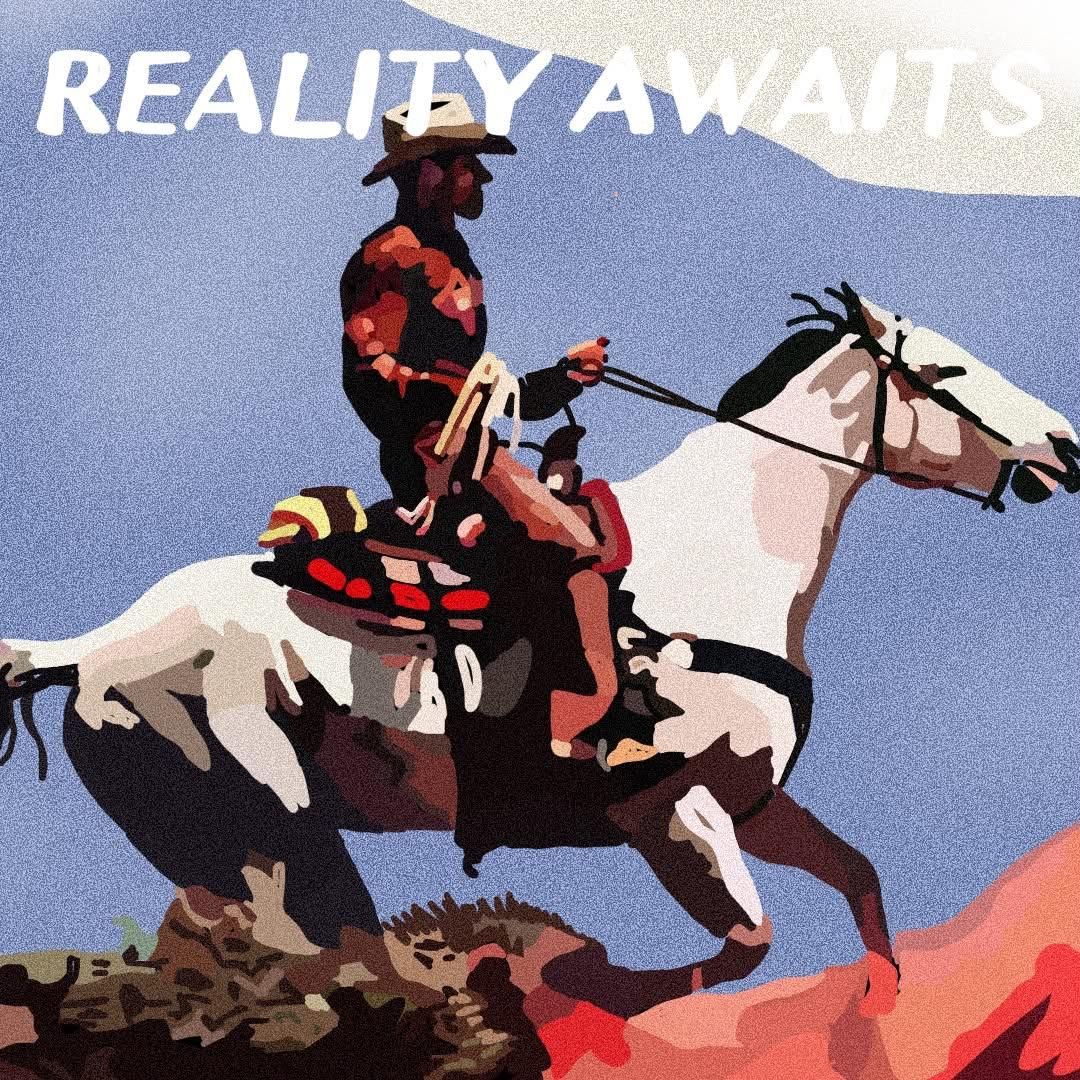
Julian Casablancas has spent the better part of two decades trying to kill The Strokes. Not literally, but the version of the band that made him famous. Their debut album Is This It was the icon of garage rock, and Casablancas was the leader of all the distressed-denim-loving boys of the world. It was a crown of thorns he refused to wear, and every successive album has been an attempt to escape the shadow of Is This It. Experimenting with electronic, dinky synth sounds in Angles and Comedown Machine came with little success. This desperate race seemed to end with the triumphant success of The New Abnormal, which reconciled their experimental ambitions and their indie-rock vibe, with a Grammy to boot. But Casablancas appears disinterested in reconciliation. With The Strokes’s newest album, Reality Awaits, he emerges ‘reborn,’ armed with autotune and a hunger to be avant-garde. But indeed, much is left wanting.
With the first single, “Going Shopping,” Casablancas wages war on his voice with autotune. The effect is a flattening of the song’s emotiveness, disappearing into a warble as the instrumentation fails to establish any groove. The chorus is a moment of relief as the vocals fall into step with the beat, but by then any sane listener has turned the song off. The flaws persist through the lyrics: “the pay is low, but I gotta do somethin” gestures at capitalist drudgery, but this cliché attempt doesn’t say much about it. There are momentary flashes of eccentricity like “I wanna be a 7-foot zombie,” but the synthetic haze buries Casablancas’ lyrical attempts at wit.
The trend persists through successive songs. “Lonely in the Future” charms early with its infectious beat and memorable refrain: “I did that yesterday.” But after two minutes of stylish, cybernetic guitar, the prodigal son of autotune returns to the bridge, and the song devolves into a mess. Hilariously, the song calls out musical critics, telling Anthony Fantano specifically to “stick to the technical ‘cause that’s great / But you would not recognize art in any age.” Casablancas’ complaint about being ahead of his time is pretentious, but not unfounded. When considering an album like Comedown Machine, which was torn apart upon release, but is now a cult classic for preceding the lo-fi, synth sounds of indie music, one might lend Casablancas some credence. Ironically, Reality Awaits is a banal trope: an experimental dish that “dissects” modern life; an idea that was really only innovative “20 f******* years ago.”
In furthering reinvention, Casablancas moves away from high school angst to college activism. In the not-so-subtly-titled song, “The Fruits of Conquest,” Casablancas declares, to the backdrop of syncopated bongo drums, “I won’t obey, no we won’t obey / They don’t obey so we won’t obey, yeah.” Touching upon anti-authoritarian themes is nothing new for The Strokes, but Casablancas adds a new edge with his denunciation of Western imperialism: “I’m a leach, I’m a leach,” he repeats eight times as the distortion amps up. This activist lyricism comes as no surprise given Casablancas’ recent track record of attacking Zionists on Subway Takes and accosting U.S. imperialism with his live performance of “Oblivious” at Coachella. Indeed, it’s clear that Casablancas dreams of becoming a progressive provocateur, and Reality Awaits is here to make this, well, a reality.
“Dine N’Dash,” to Casablancas’ credit, is the breath of originality he is seeking. Devoid of autotune, Casablancas’ voice is soft and simple, played to a restrained rhythm of shimmering synth with hi-hat drum beats. This oddly haunting sound textures a teenage tale: “we could not afford it/We would dine and dash.” Casablancas then rises into his characteristically powerful falsetto, crescendoing in the line “it’s going great.” The line becomes a Rubicon; beyond it, the song mutates into a darker harmony. A prominent guitar enters as Casablanca’s voice turns increasingly angsty, filled with rage, spitting violence: “I beat it out of him, alright/I beat his brains out until they’re on the floor/Until his family mourns/I’d shoot him now if he was here.” With this eruption of violence, the nonchalance of teenage mischief is gone. Casablancas is left asking, “How can I reconcile this beast?” In the last 50 seconds, a detached, flat voice accepts that “I guess I’m just an animal.” Musically, Casablancas achieves something like the “Bohemian Rhapsody” effect of shifting between emotional extremes, offering a fresh take on “modern alienation” that is more American Psycho than alternative rock.
What are The Strokes now? Are they the champions of the left, riding the blue wave? Are they a tired band of forty-somethings? Reality Awaits has muddled their waters yet again, returning them to the oh-so-familiar limbo they spent years crawling out of. In this attempt to escape the artist he once was, Casablancas has abandoned both the teenage angsty charm and the sophisticated experimental restraint he had built. Reality Awaits continues to grow on me, though. Perhaps Casablancas really is ahead of his time, and perhaps in “a hundred thousand years from now, I’ll say I did that yesterday when I was a kid.”