
Humans: The Bears’ Next Meal?
Due to food scarcity, bears in Japan have started to turn to humans for their next meal, and if this issue is not properly recognized and emphasized, behavioral changes and ecosystem disturbances may become a habitual occurrence.
Reading Time: 4 minutes
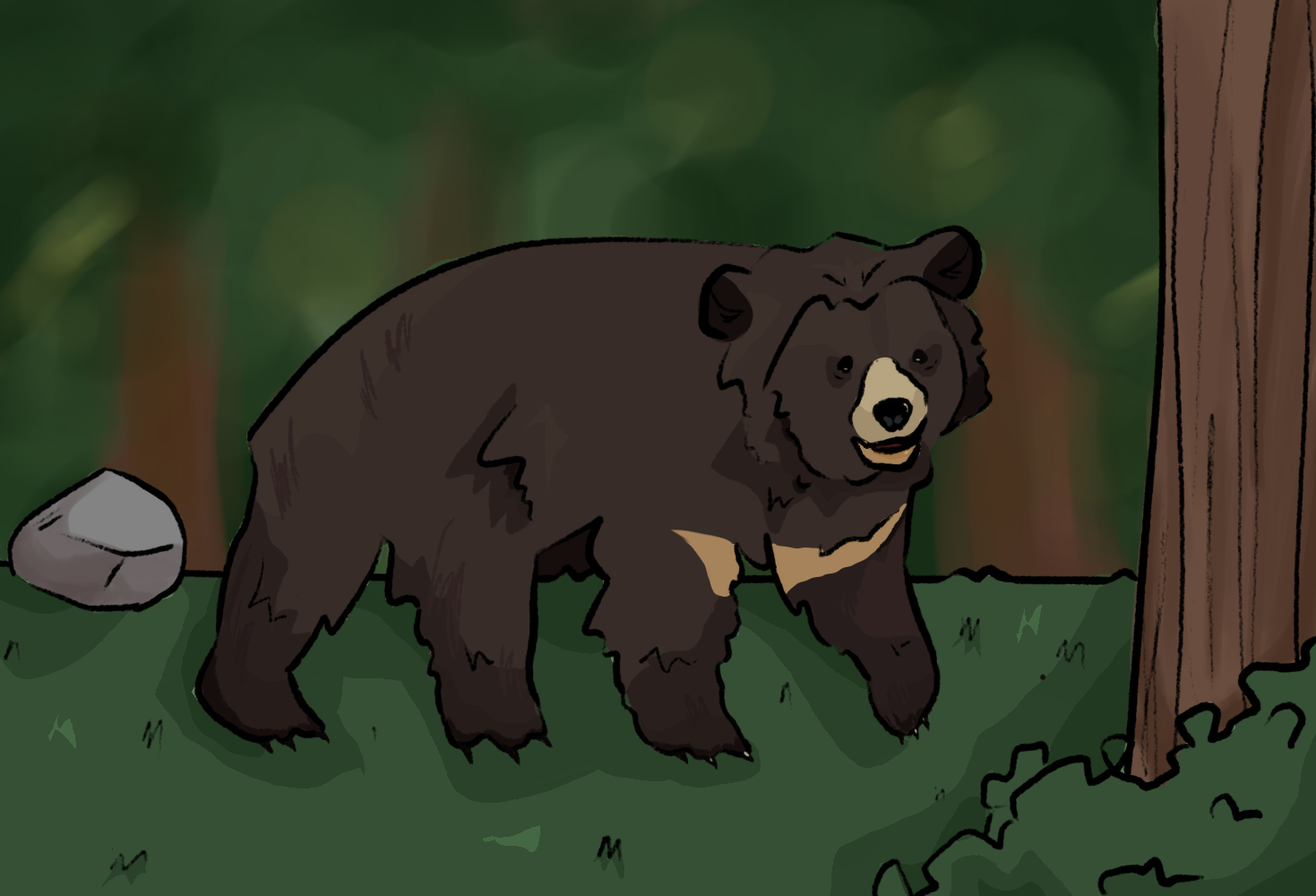
A woman picking mushrooms in Miyagi Prefecture was found faceless and dead near her backyard in October 2025. Bear footprints were spotted retreating back into the nearby forest, since the bear was plenty satisfied with its afternoon meal. Bear attacks amidst morning strolls, grocery shopping, and school commutes have recently become a more common occurrence in Japan. Commuters have begun to wear bells, carry bear spray, travel in groups, and check local bear sightings every morning. Children have been warned to stay inside, and parks are now sealed closed with yellow tape. Japan is now a war zone against Asiatic black bears and Ussuri brown bears.
Asiatic black bears inhabit a variety of environments, most commonly forests, mountains, and foothills. They are omnivorous, mainly eating fruits, nuts, seeds, insects, honey, vegetation, and small animals. They are known to generally avoid people and only attack when they feel threatened. Moreover, Asiatic black bears are nocturnal and move to lower elevations in autumn to look for high-fat nuts for hibernation.
Similarly to Asiatic black bears, Ussuri brown bears are omnivorous and eat many berries and nuts. They are generally shy around people, unless they are provoked. However, they are opportunistic predators, meaning they don’t rely on a single food source, and thus are able to kill prey such as deer, wild boar, fish, and small insects. Their activity patterns vary, since they forage in both the morning and evening and live in mountainous regions.
Japan’s changing human population demographics have been correlated with more of these bears entering human populations. As Japan’s population shrinks and ages due to their development in agricultural equipment as well as medical technology, the population of some rural farming areas have also decreased, especially as more young people are moving to urban areas. This has allowed bears to move closer to less populated human communities. Furthermore, as less young people reside in rural farming areas, hunters, also known as matagi, have decreased, contributing to the rise in the bear population. As encounters and bear sightings increase, so do attacks, even though both the Asiatic and Ussuri bears are not known to attack humans. The bears’ behavior around humans has changed since they have started to become more comfortable moving around human settlements.
Recently, there has been a shortage of the foods the bears feed on, such as acorns and other nuts, which has contributed to the bears’ comfort around human settlements. This shortage of food has been brought about by the extinction of Japanese wolves, specifically the Honshu wolf and Hokkaido wolf. Due to the rabies epidemic which made wolves aggressive, the previous Meiji government’s push for modernization by encouraging American-style ranching, and the government’s declaration of wolves to be “noxious animals,” the targeted extermination of wolves became popularized around the country. The loss of wolves in Japan led to an ecosystem imbalance. With the apex predator gone, the population of deer and boars increased. This led to more animals consuming the nuts, altering the forest structure and creating more competition for nuts with the bears. Although the extermination of the wolves did not occur recently, the species’ absence in Japan’s ecosystem has had long-lasting effects by disrupting the predator-prey balance, thus shaping further ecological problems today.
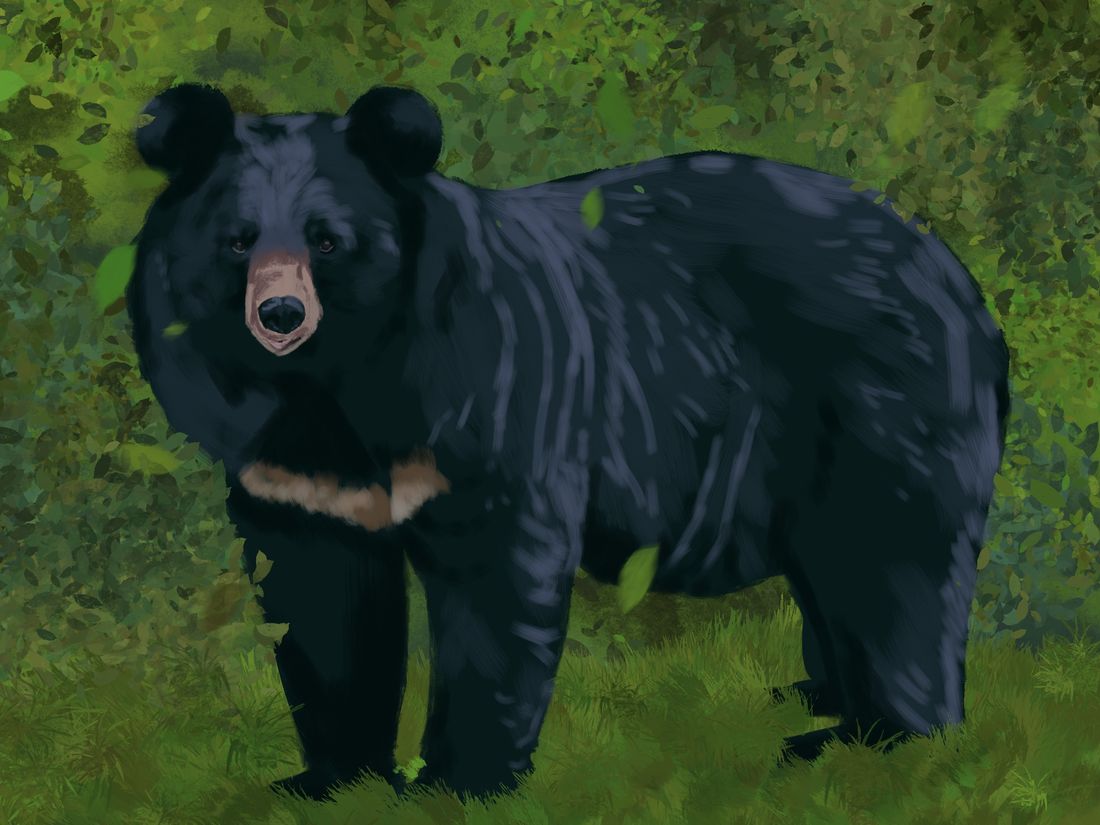
Since autumn is the final season before the bears’ hibernation, they must build massive fat reserves to survive the winter months without food or water. Therefore, the bears expand their range into human living spaces since they are attracted by the availability of potential food sources, including persimmons, chestnuts, household garbage, and pet food. As hunger fuels intense foraging for food before the winter, both the Asiatic and Ussuri bears become more aggressive and see humans as their next food source to satisfy their critical calorie needs.
The Japanese government has tried to resolve this issue by increasing hunters through the recruitment of the military and police, allowing police to shoot dangerous bears and creating bounties for bear captures. In September 2025, the government permitted the shooting of bears in order to prevent bear casualties, amending the original wildlife protection law that banned hunters from shooting bears in densely populated areas. However, this has caused concern among the matagi. Bears are deeply respected and viewed as sacred gifts from the mountain gods since they provide medicine, meat, and fur. The matagi’s sustainable hunting practices, such as limiting their hunting to the winter and early spring to avoid the breeding season, are to maintain the harmony between man and nature. The matagi view the recent surge in bear attacks as a sign of natural imbalance and feel sorry for the bears while being aware of the danger that they pose to humans.
The increase in bear killings in Japan has raised international concern. Headlines warn tourists and highlight the ecological issues that caused the change in the bears’ behavior. According to the Environment Ministry, bears attacked over 196 people in Japan between April and October 2025, which approaches Japan’s record high number of bear-related incidents. Although these numbers may decrease during the winter season, this does not mean that casualties will not surge again due to food scarcity. If the issue of human disruption on the ecosystem is not emphasized, the issue of food scarcity may be common to other animals across the globe, making the change in behaviors and ecosystem disturbances a habitual occurrence.
To prevent this issue from becoming permanent, Japan’s government must shift its focus from culling to wildlife conservation by actively combatting its issues with habitat loss and ecosystem disruptions. Additionally, leaders worldwide must recognize Japan’s situation as a warning and prioritize long-term policies that address protecting wildlife and ensuring that their local ecosystems remain balanced by keeping data on population measures. The bears in Hokkaido are not an isolated abnormality but an emerging normality. If proper steps are not taken, the people will be hit with the consequences, just like the inhabitants of Hokkaido.