2026-2027 Freshman Caucus Endorsements
Endorsements for freshmen caucus for the 2026-2027 school year.
Reading Time: 17 minutes
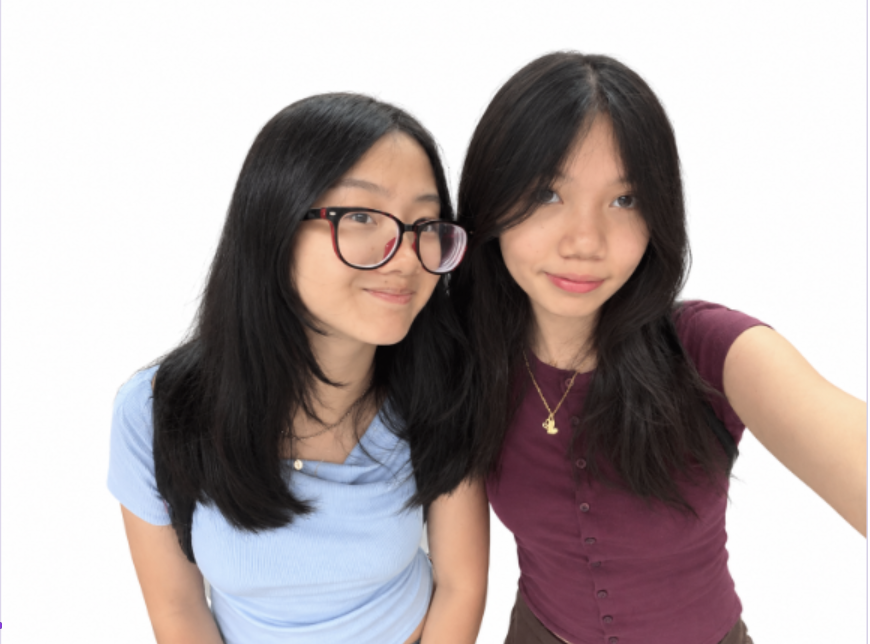
Lin-Tong Ticket
DYNAMIC: Emily Lin and Amelie Tong met in seventh grade, and the pair already has experience working together. Both describe themselves as extroverted and bring different strengths to the ticket, including logistics and graphic design. Many caucuses assign one co-president an “inner” role managing internal affairs and the other an “outer” role handling outreach. Lin and Tong plan to share both roles equally. To manage their time, they plan to delegate tasks to cabinet members and hold regular check-ins so members can work independently between meetings. Both candidates say they are willing to adjust their other time commitments to make time for caucus.
PLATFORM: The Lin-Tong ticket runs on a platform that heavily emphasizes communication with the student body and administration. Many of their initiatives are based on partnerships with both in and out of school organizations, such as their initiative to secure discounts with local businesses or plan to work with Stuyvesant’s guidance counselors to promote mental health support. Other plans include a weekly assessment calendar for freshmen, as well as providing community-building events, such as mock game shows. To fund their events, they plan to host bake sales and reach out for grants, but they note that the partnerships they plan to utilize will reduce their running costs. Most notably, the Lin-Tong ticket has already taken steps to ensure that their initiatives are feasible by contacting Guidance Counselors, Ms. Ingram, and current upper-classmen caucus leaders, who have all provided a degree of positive feedback on their plans.
OVERALL: Lin and Tong have given careful thought to how they would run the freshman caucus. Their plan for cabinet check-ins would allow both co-presidents to track progress while giving cabinet members responsibility for their own projects. Their outreach to counselors and current caucus leaders is another strength. Several proposals depend on cooperation from others, and the pair has already begun those conversations at Stuyvesant. Securing discounts and funding for events will require similar follow-through with partners outside of school. Lin and Tong come across as thoughtful, approachable, and invested in their classmates’ freshman year. Thus, The Spectator endorses this ticket.
Asuncion-Deonarine Ticket
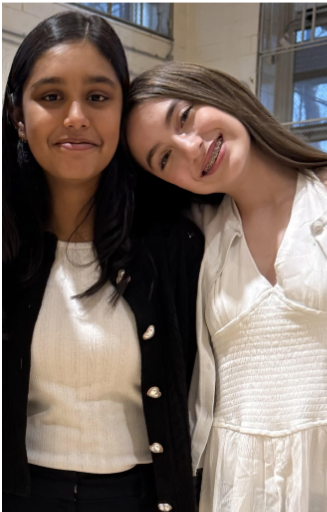
DYNAMIC: Having met in elementary school, Avery Asuncion and Laylakshi Deonarine have been friends for about eight years. Deonarine was her middle school’s Student Organization President after serving a year as Vice President, and both Deonarine and Asuncion served as Leader of the Events Committee. They worked together organizing events throughout middle school, and Asuncion considers herself more introverted and Deonarine more extraverted. Though they mentioned that Deonarine would focus more on outreach and Asuncion would work on events and administration communication, their division of responsibilities seemed otherwise vague, with the two envisioning an equal role in decision-making.
PLATFORM: The Ascunsion-Deonarine Ticket’s policies focus on community building and school spirit through ideas like the Student Support System (S.S.S.), where upperclassmen would provide help to freshmen navigating school websites and resources, and Stuy Bucks, a system of teachers and Big Sibs awarding students for good deeds with a school currency that could be exchanged for school merchandise.
In the past, Deonarine has reached out to local businesses and even council representatives, such as when she reached out to her local councilwoman to address safety concerns in her middle school’s courtyard. Despite these concrete experiences, some of their policies have logistical gaps in terms of fundraising and methods of implementation. Additionally, they aim to uplift students by beautifying the Tribeca Bridge and amplifying cultural spirit and holiday cheer while offering volunteer hours to students.
OVERALL: The Ascunsion-Deonarine ticket prioritizes student visibility, grade-wide connection, and school spirit, with generally well-thought-out policies and clear teamwork between the two candidates. Most of their policies are feasible, though further development and thought are needed to put them into action, such as by delineating fundraising initiatives and a clearer division of responsibilities. Thus, The Spectator recognizes this ticket.
Han-Humblet Ticket
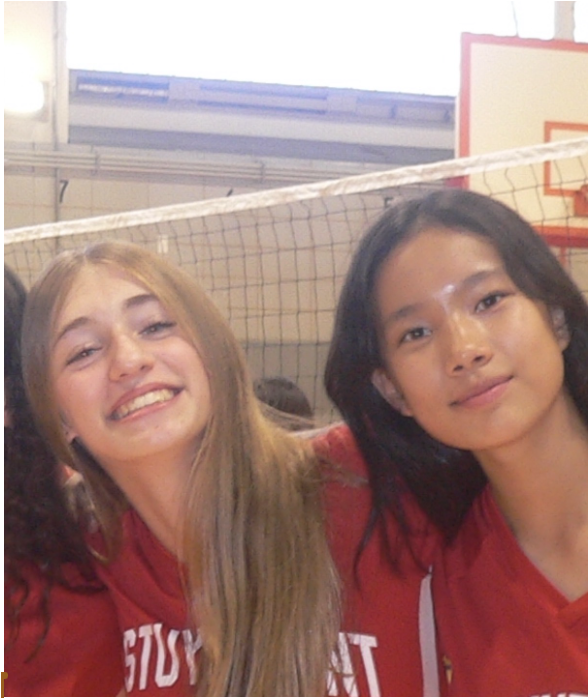
DYNAMIC: Freshmen Effie Han and Raia Humblet have a strong friendship, having met through being teammates on Stuyvesant’s varsity volleyball team. Both possess strong student government experience from middle school, with Han serving as her class representative and Humblet serving as her seventh- and eighth-grade class president. The ticket portrays itself as highly committed to the caucus responsibilities, intending to make themselves available for everything necessary in spite of their sports commitments. They describe their dynamic as a system of “checks and balances,” with Han being a realist and Humblet being an idealist, influencing their current policies. Furthermore, they supplement each other’s strengths. Han is good at logistics, whereas Humblet is strong at public speaking. Overall, the Han-Humblet ticket has a warm, cohesive relationship, with convincing leadership and government experience behind them.
PLATFORM: The Han-Humblet ticket aims to create events to help the freshman class form a community and bond with one another, though many of their ideas aren’t entirely original and may not be plausible given their schedules. Their ideas for events include a Bakefest inspired by a potluck held at Han’s middle school, a volleyball tournament, and a picnic. The Bakefest would be held in the cafeteria, with food separated by allergens. They intend for their volleyball tournament to be similar to the one held by Stuy Sports, and suggest expanding it to a wider series of sports tournaments, chess competitions, and trivia nights held throughout the year. As no upperclassmen would be attending their picnic, they suggest that it would be more approachable for freshmen than the Big Sib picnic. They plan to fund these events with coin drives and bake sales. The ticket also proposes creating several resources for freshmen, including a freshman bulletin board with announcements on the half floor and a document with a list of teachers’ office hours.
OVERALL: Overall, the Han-Humblet ticket brings enthusiasm and positivity, with a special focus on community and fostering relationships. Although they lack originality and a focus on academic support, their ideas are realistic and engaging. Furthermore, the candidates have a strong dynamic crucial to effective co-leadership. Hence, The Spectator recognizes this ticket.
Cheng-Liu Ticket
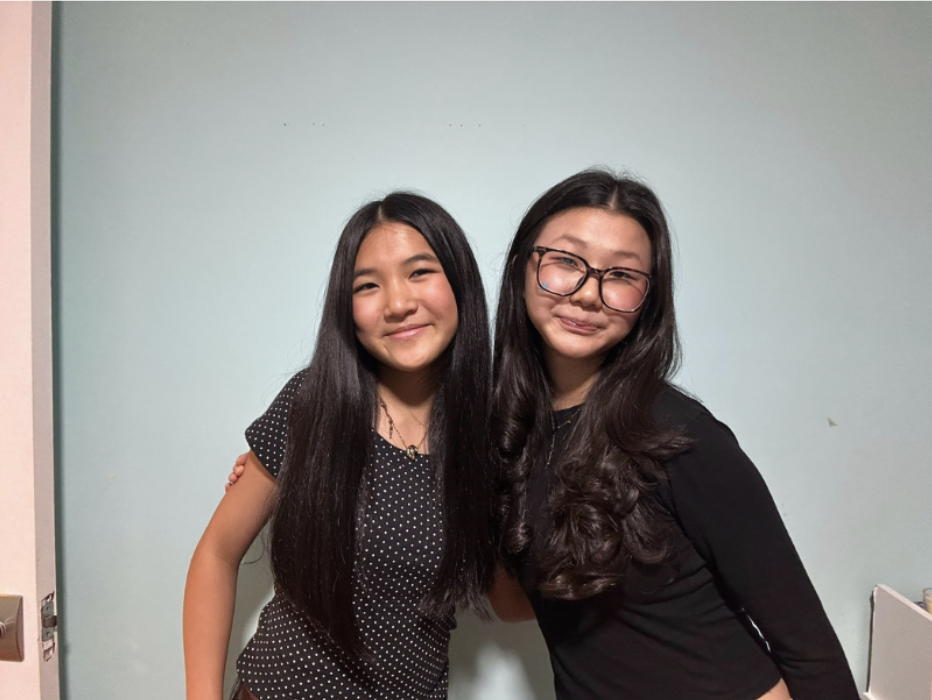
DYNAMIC: Melanie Cheng and Isabella Liu met in kindergarten, having attended both elementary and middle school together. In middle school, Liu served as Vice President and President, and Cheng served as Vice Secretary and Secretary, working closely in student government. For example, the pair hosted multiple social events, such as game nights, and implemented a feminine hygiene product program in their middle school’s bathrooms based on student input. Furthermore, Liu communicated closely with their middle school’s administration and teachers, serving as the only student on the school’s SLT board. Overall, Cheng-Liu have a close and collaborative dynamic, with both having extensive and actionable experience in student government positions.
PLATFORM: The Cheng-Liu ticket emphasizes creating a memorable freshman experience by organizing trivia nights, movie nights, and group study sessions, which they hope will help freshmen spend more time with their friends while also finding new ones. The ticket also highlights their outreach to the current freshman class and upper caucuses to formulate their policies, which includes a suggestion box placed on the half floor. For their idea to clean the bathrooms, they want to install air fresheners while also implementing improvements from student feedback. They also proposed school help, through more college and career readiness resources, which are usually exclusive to upperclassmen, and mentor groups between freshmen and upperclassmen. Finally, one of their initiatives is to give students better access to colored or more specialty printers so that students don’t have to pay out of pocket for expensive printing. They hope to fund this through bake sales and revenue from their events.
OVERALL: The Cheng-Liu ticket has significant experience in student government and a collaborative dynamic with ideas like air fresheners and puzzle nights that can be beneficial for the freshman class. However, some of their policies, such as college seminars, fall short due to their lack of originality and feasibility. Overall, the Cheng-Liu ticket’s platform lacks planning and specificity, but the pair offers promise and experience to improve the school for the freshman class. Thus, The Spectator recognizes this ticket.
Dunayer-Garg Ticket
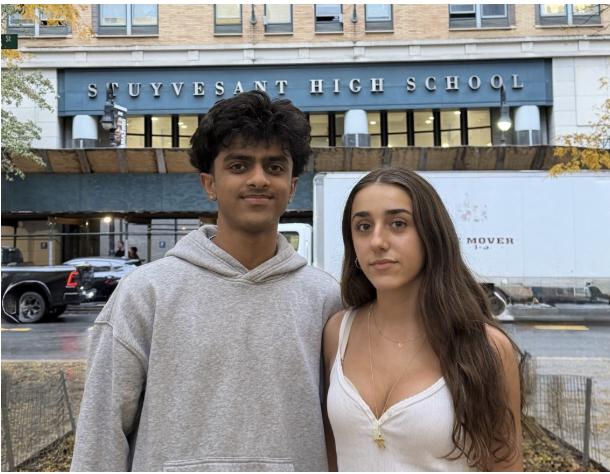
DYNAMIC: Shira Dunayer and Veer Garg met in early September and quickly became friends, bonding over a passion for the well-being of their grade. Their differing strengths allow them to delegate responsibilities clearly. Garg, who has considerable experience in social media and marketing, plans to handle the logistical back-end responsibilities of Freshman Caucus. On the other hand, Dunayer, who held an elected position on her middle school’s Model UN team and currently participates in Model UN at Stuyvesant (along with other activities), will do more face-to-face work with the student body. The pair said that their greatest strengths were their ambition and willingness to bring people together through caucus, both through events and in departmental opportunities. They acknowledged the current rigor of their schedules, but assured that they were more than willing to prioritize caucus and the needs of the students over their current obligations.
PLATFORM: The Dunayer-Garg ticket focuses on interactive and engaging policies that seem genuinely geared towards bringing the freshman grade together and improving current systems. The Dunayer-Garg ticket has already demonstrated willingness to interact with the student body by releasing a Google Form to understand student grievances and wishes for the future. Their ideas for events, such as a half-floor makeover, a “secrecy swap” that mimics a Secret Santa exchange, and a potluck night are ambitious but well-intentioned.
Although many of their policies have potential, the Dunayer-Garg ticket does not yet have a clear vision for finding funding, choosing instead to focus on no-cost and low-cost events and policies. Additionally, while they collectively possess experience in fields like marketing and public speaking, they have no formal student government experience. Although these discrepancies exist, they were clearly passionate about holding the role, and each had extensive leadership experience that they were confident could transfer over to caucus.
OVERALL: Overall, the Dunayer-Garg ticket has an honorable vision for the grade. Their focus on building inter-student relationships, hosting affordable events, and creating an engaging and safe community for all freshmen is commendable. Their involvement with the student body and staff pre-election sets them apart from other candidates. However, they lack specificity in their planning and don’t have a clear vision for financing, which could cause issues even if they plan low-cost events. In addition, neither has serious student government experience. Thus, The Spectator does not endorse this ticket.
Chen-Chen Ticket
DYNAMIC: Nathaniel Chen and Jacky Chen met before high school through playing volleyball and taking the same Mandarin class. Nathaniel has had previous experience through participating in his middle school’s debate team, while Jacky has no prior experience. Nathaniel will gauge the needs of the student body, while Jacky will mainly be in charge of managing and implementing the ticket’s policies. While the two seem to complement one another well, the interview highlighted that Jacky has been less engaged with the campaign, with Nathaniel primarily taking charge. Nathaniel noted that one campaign manager could temporarily replace Jacky.
PLATFORM: The Chen-Chen ticket emphasized prioritizing the interests of the freshman population by giving students the power to make decisions. The two plan to use weekly open-response Google Forms to plan activities such as bake sales or collaborations with clubs like the Lighthouse Anchor Club, which Nathaniel is a member of. The pair explained that these Google forms will allow the freshmen to decide what goods and prices they want in order to increase funding for clubs and future activities.
The Google Form does not have adequate support systems and has yet to be structured. Additionally, there were no other proposed ideas. When asked about how they would proceed if they didn’t receive enough suggestions, they said they would put up posters and send reminders to fill out the form. If they are still unable to generate interest, they claim they will ask for ideas from upperclassmen, teachers, and counselors, which is still nebulous at best.
OVERALL: Overall, the Chen-Chen ticket aims to leave choice to the students by using their input to connect the freshman population. It is important to note, though, that their other ideas for policies are underdeveloped, and their split of responsibilities is unbalanced. Therefore, The Spectator does not endorse the Chen-Chen ticket.
Pontano-Wei Ticket
DYNAMIC: Irena Wei and Archer Pontano first met in their Freshman Composition class. The pair emphasized how their opposite qualities would complement each other as Caucus Presidents: Wei, being organized and efficient, would handle events and logistics; Pontano, being extroverted and sociable, would be in charge of public speaking and getting information out to the students. Although they have no prior student government experience, they are active in many other parts of Stuyvesant and plan on getting advice from other students. Both wanted to run for Freshman Caucus to give back to their school and get closer to their classmates. Wei tended to be more confident answering questions, while Pontano added on, generally agreeing with Wei’s comments.
PLATFORM: The Pontano-Wei platform focuses on bringing the freshman class together through collaborative study sessions. They plan to find freshmen with common lunch/free periods who are willing to spend their time helping each other with schoolwork in order to build community. Additionally, they plan to create an opportunities document, which would list volunteering opportunities in addition to opportunities from other organizations. Lastly, they emphasize outreach and leadership, promising to listen to the voices of all freshmen through an anonymous Google Form. Overall, their ideas seem feasible, but when asked about it, they seemed unsure about how to execute their plans.
OVERALL: The Pontano-Wei ticket has good intentions, with their central ideas of bringing the freshman class together and listening to students’ ideas and criticisms demonstrating their dedication and potential. However, many of their proposals already exist at Stuyvesant, or are not well thought out. Therefore, The Spectator does not endorse this ticket.
Zhu-Zhang Ticket
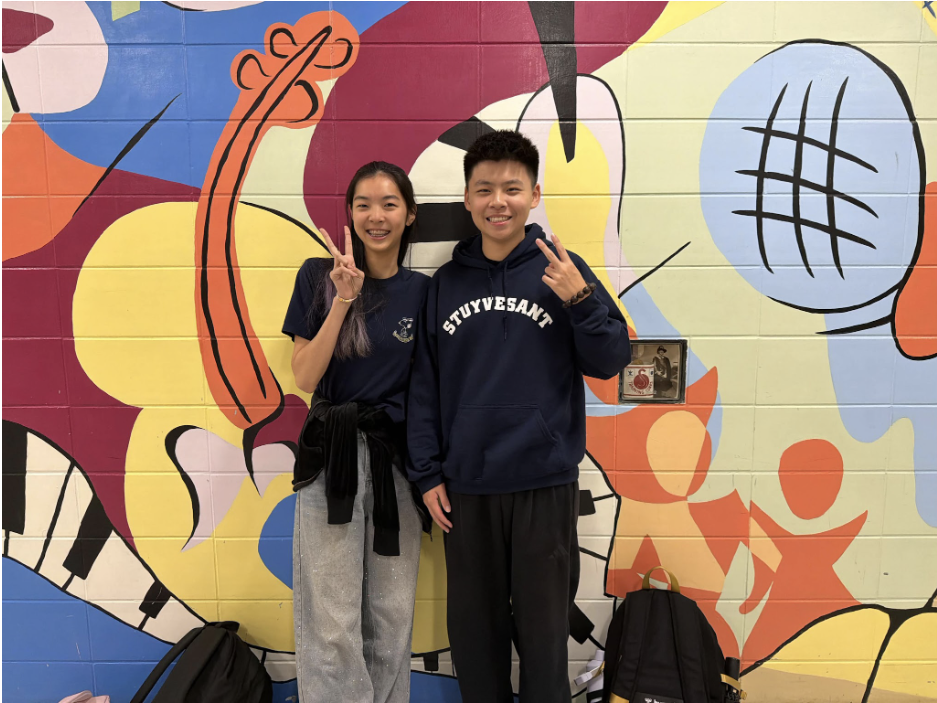
DYNAMIC: Freshmen Evan Zhu and Olivia Zhang met in their Freshman Composition class, where they became friends. The two seem to work well together and have a professional relationship with each other. Zhu was the president of his middle school in eighth grade, while Zhang has no student government experience. Their method of splitting the work is clear, with Zhang handling the internal affairs, such as the cabinet and planning, while Zhu deals with communicating with the rest of the grade. However, this may cause an imbalance, as most of the workload could fall onto Zhang. Zhu prides himself on being focused, communicative, and diligent, while Zhang is timely and doesn’t procrastinate. When asked why they chose to run, Zhu emphasized his leadership skills while Zhang mentioned wanting to take part in student government.
PLATFORM: The Zhu-Zhang ticket emphasizes making the school a less competitive environment and connecting freshmen together to form a strong community. Their main policies include a freshman social, spirit weeks, commute buddies, and freshman-specific weekly emails. Outside of mentioning that their policies would be freshman-specific, they did not expand on how they would differentiate their events from past events held by SU and other caucuses. They also did not specify how they planned to fund large events, such as their freshman social, and recognized how budget could be a possible struggle. A fundraiser they suggested would be a kindness pin fundraising event, in which students could buy pins with positive messages for around 2-3 to pass around. They were also unclear on how they would enforce their policies, create their events, and work with the administration, as they mentioned getting approval but did not elaborate.
OVERALL: While the Zhu-Zhang ticket’s focus on connecting the community and improving the school’s environment is notable, they lack a clear understanding of how to integrate these ideas. The Zhu-Zhang ticket lacks detail and originality, and hasn’t fully fleshed out its policies. Thus, The Spectator does not endorse this ticket.
Chao-Yoo Ticket
DYNAMIC: The Chao-Yoo ticket met in the cafeteria when they found themselves sitting next to one another during lunch. They are both members of the Student Union: Chao is in External Affairs, and Yoo is in Socials. Additionally, both have prior experience in student government from middle school. The pair also communicates well, and they understand each other’s leadership styles.
PLATFORM: The Chao-Yoo ticket promotes policies aimed at making everyone feel represented and involved. They described holding more spirit days alongside organization days to improve students’ mental health and help them get ahead academically. Apart from events, the pair also highlighted opportunities that would improve students’ quality of life, such as the installation of microwaves in the cafeteria and the expansion of vending machine access to more floors. To help freshmen get accustomed to the school, they hoped to collaborate with other grades’ caucuses to create a year-round advice board where freshmen could ask questions, similar to the one set up by the SU near the senior bar earlier this year. Chao already sent out a form collecting public opinion on what problems Stuy faces, demonstrating the pair’s readiness to engage with the school community.
OVERALL: Despite their enthusiasm for their class, the policies they described lacked depth in some cases, especially with regard to finances. They were unable to elaborate on specific actions they might take beyond the vague proposal, but offered that they might host fundraisers if needed. Although this ticket is lacking some pragmatic planning, they have a clear passion for the people around them, and hope to have the opportunity to listen to their advice.
The Chao-Yoo ticket has big aspirations for the grade, and their emphasis on representing the class, while attempting to ameliorate the issues they face, is noteworthy. They seem able to work together to achieve the goals they want to, but lack experience and, in some cases, knowledge of how to do so. Therefore, The Spectator does not endorse this ticket.
Shah-Thompson Ticket
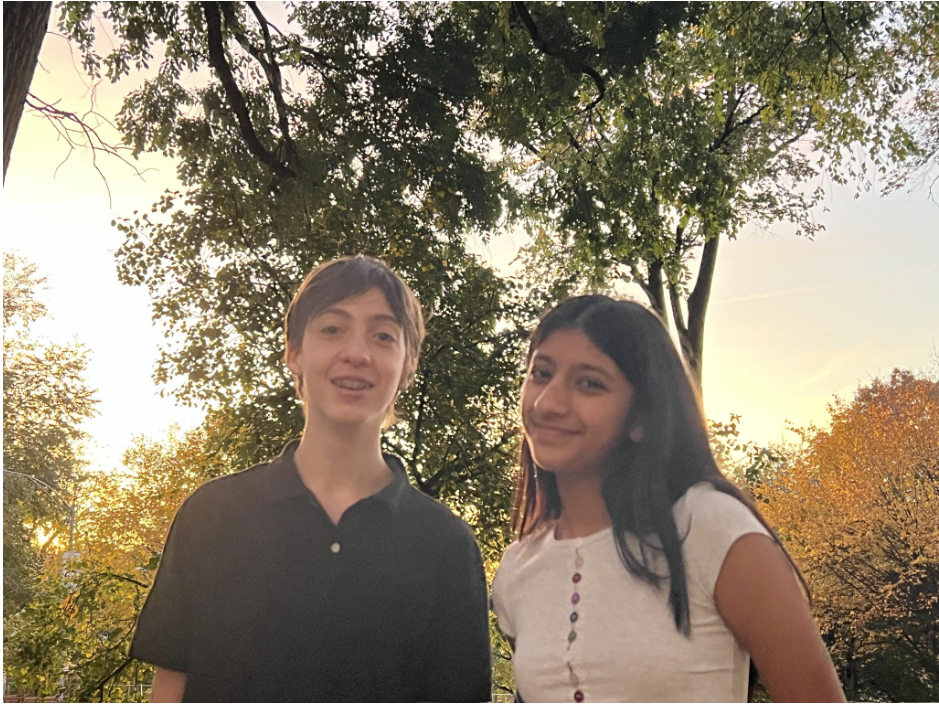
DYNAMIC: Freshmen Sia Shah and Casey Thompson met in their AP Biology class and bonded over their shared interests in Star Wars. The pair seem to have a professional working relationship, with a straightforward division of responsibilities. Thompson handles the technical aspects of Caucus, including website management and online outreach, while Shah takes on more hands-on responsibilities, such as organizing events and communicating with faculty. However, this division may create an imbalance, since the majority of the everyday work in caucus will fall on Shah, while Thompson’s contributions will be behind the scenes. Neither candidate has experience in student government. The pair hopes to rely on guidance from upperclassmen who have more experience. Nevertheless, Shah’s organizational skills and Thompson’s ability to listen and connect with students could help them navigate their responsibilities.
PLATFORM: Shah and Thompson’s main ideas include Google Drive folders for the whole class to share academic resources, such as study guides, regular spirit days for Freshmen, and group tutoring sessions. The pair emphasized that spirit events would help students feel more engaged and connected to their peers, making them more inclined to submit study resources or attend after-school tutoring sessions. While their website advertises improvements based on anonymous student complaints, they lack clear policies of their own. They did not expand much on what their spirit plans were or how they would fundraise for these events, other than handmade bracelet sales and bake sales to pay for an end-of-year festival. Another policy they offered was an Opportunities Bulletin catered specifically towards Freshmen, as Mr. Blumm’s bulletin is mainly intended for upperclassmen. This proposal seemed the most developed of their suggestions, as the pair had already spoken to Mr. Blumm and got his support for it before the interview.
OVERALL: The pair showed initiative by coordinating with Mr. Blumm, and Shah exhibited strong leadership, but they lacked balance. During their interview, they also mentioned the use of Artificial Intelligence to code their website but clarified that the writing and policies were their own. The website didn’t address spirit events or fundraising, which were mentioned during their interview. This lack of detail can also be seen in their policies, which were often vague and inconsistent. Thus, The Spectator does not endorse this ticket.
Ruan-Wu Ticket
DYNAMIC: The Ruan-Wu ticket met online the summer before their freshman year and have been texting ever since. Although Wu does not have any prior experience in student leadership, Ruan was his homeroom representative in middle school. Should they be elected president, their respective roles remain unclear. Wu is professional and communicative while Ruan is passionate and more hobby-oriented. As such, during the interview, Wu took initiative while Ruan remained more reserved.
PLATFORM: The Ruan-Wu ticket offers some promising ideas for policies, consisting of study nights, a freshmen appreciation week, monthly polls, and a pen pal program. The pair expresses their focus on realism, emphasizing the feasibility of their goals. The pair plans to introduce a Freshmen Appreciation Week. While similar to Spirit Week, it is different from a traditional one as it focuses on individual accomplishments rather than camaraderie and pride. Furthermore, their pen pal program aims to connect individuals within the grade through an anonymous and optional Google Form. While the initiative has good intentions, the logistics were not fully developed, leaving some of the challenges in following through with the program unaddressed. Finally, to ensure their policies are implemented correctly, they intend to have a Policy Follow-through tracker to inform the grade about what they accomplished.
OVERALL: While the Ruan-Wu ticket is well-intentioned, their platform lacks specific planning and direction. If they were to be elected, they noted that these details would be developed and finalized after the election. Additionally, in their effort to have realistic policies, they do not embody the ambition that is typically expected from freshman caucus presidents. As such, they lack any concrete fundraising plans or grade-wide event policies. Ultimately, despite their positive goals, the ticket falls short due to its lack of planning and knowledge around the limitations of Caucus. Thus, The Spectator does not endorse this ticket.
Tong-Chen Ticket
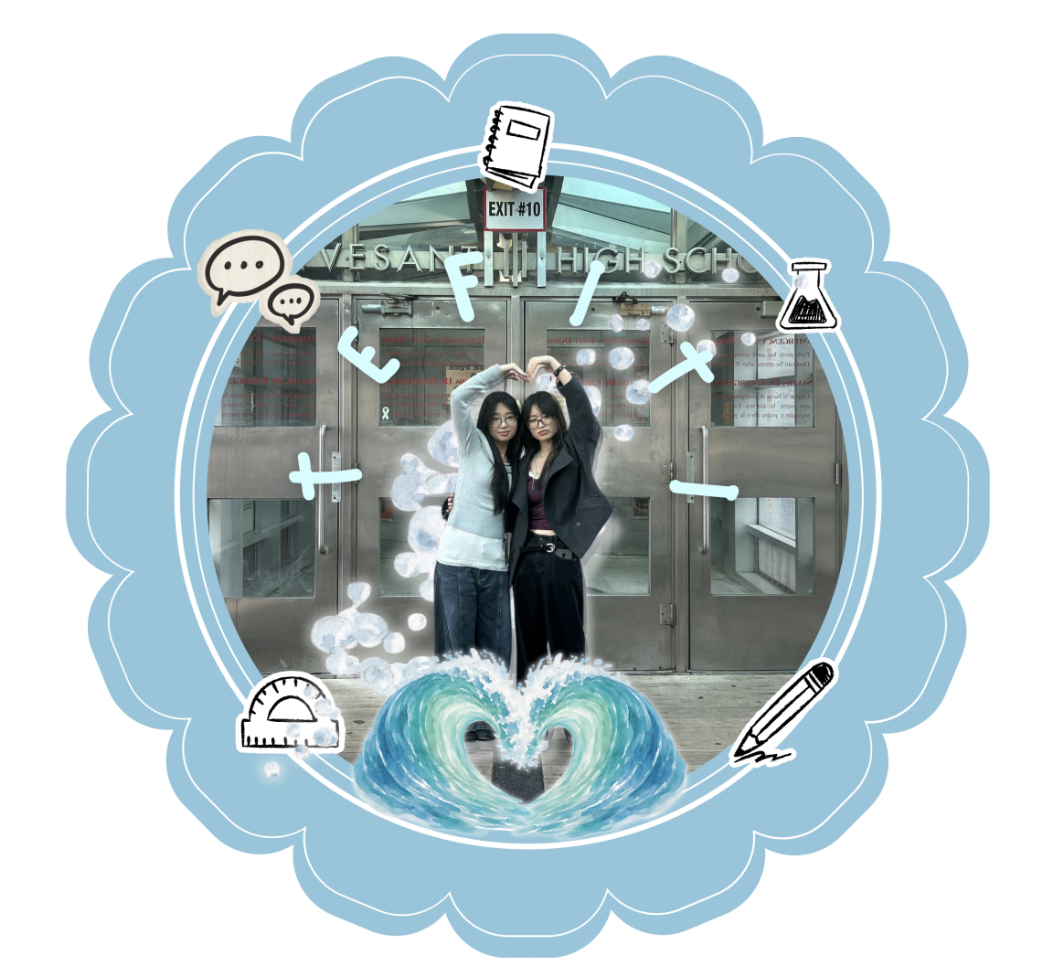
DYNAMIC: Freshmen Tivona Tong and Fiona Chen, running together as the “Te-Fiti” ticket, center their campaign on teamwork. The pair, who met in a Freshman Composition class, carry this central theme into much of their platform, arguing that Stuyvesant’s true nature is to “collaborate” and “cooperate” despite its competitive reputation, and they invite freshmen who are anxious about making connections to contact them directly. However, neither candidate has any prior experience in student government, and they have not yet defined how they would divide responsibilities as co-presidents. This gap is notable considering their ticket is built around partnership.
PLATFORM: The Te-Fiti platform is organized around five pillars: Occasions, Connections, Endeavor, Academics, and Nurture. Under Occasions, the ticket hopes to host more spirit weeks and school events, along with their idea of after-school “open play” sessions where freshmen can bond and meet one another by playing board games, volleyball, or basketball, even if they aren’t in a club or on a team. It is important to note, however, that the pair has yet to outline a budget or a plan for securing space and supervision. Their Connections and Endeavor pillar focuses on linking freshmen with alumni and upperclassmen while gathering students’ concerns through Google Forms. These goals are well-intentioned but would benefit from more structure. The ticket also proposes study groups during free periods and mini gardens in and around the building. The pair did not specify where they planned to construct the gardens, how they would be funded, or who would be responsible for maintenance.
OVERALL: The Te-Fiti ticket aims to make freshman year more social and less stressful while focusing on inclusivity. However, many of the ticket’s goals, such as socialization, advocacy, and mental health support, remain broad, and their plans are not fully thought out. Additionally, the pair failed to differentiate their ideas from other campaigns or existing systems. With further development, their proposals have significant potential, but as of now, many of their policies remain underdeveloped. Therefore, The Spectator does not endorse the Te-Fiti ticket.