2026 Sophomore Caucus Endorsements
2026 Sophomore Caucus Endorsements
Reading Time: 9 minutes
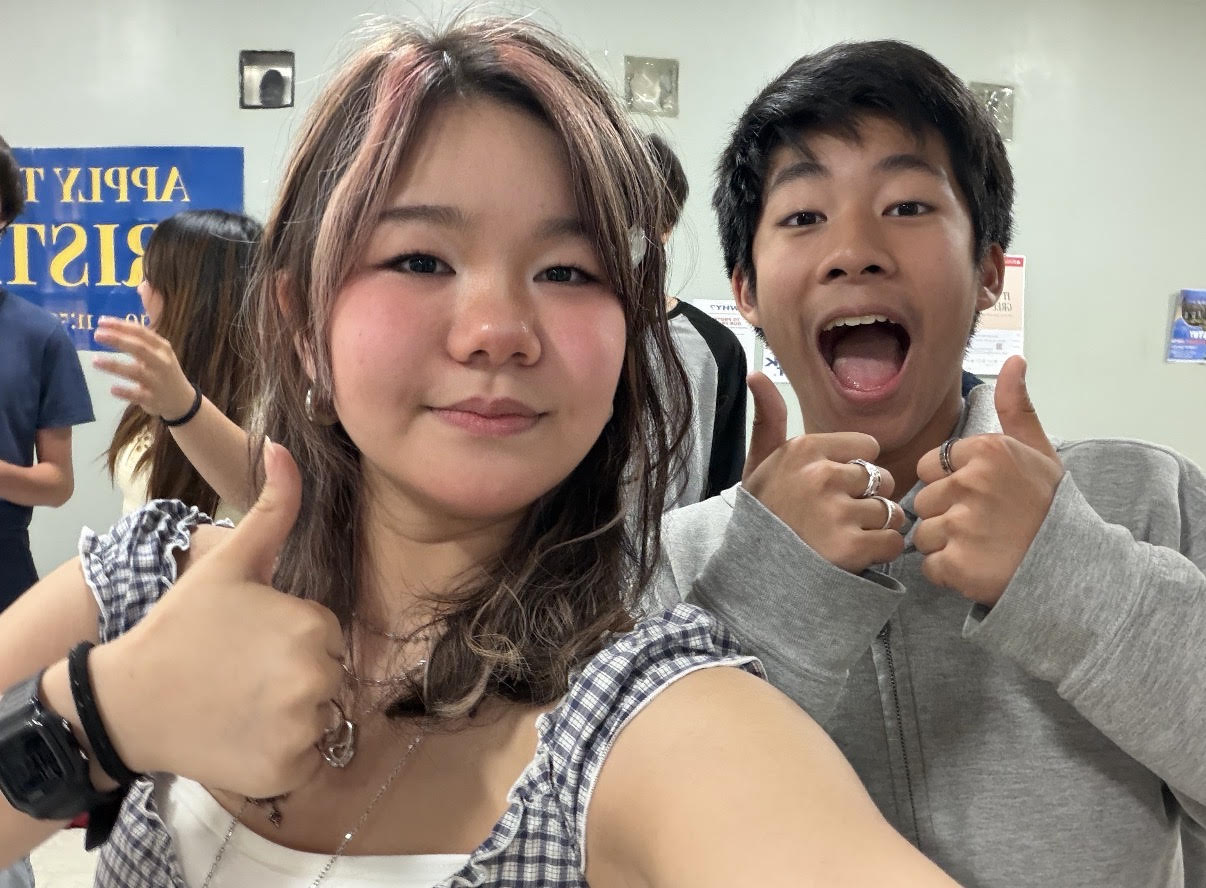
Lee-Vichaidith Ticket
DYNAMIC: Freshmen Ella Lee and Thomas Vichaidith met on the half floor during the first semester of freshman year and developed their friendship through frequent card games during free periods. Lee currently serves as the Freshman Caucus co-president and Vichaidith is the Freshman Caucus Chief of Staff. Lee and Vichaidith emphasize their collaboration and enthusiasm for sparking change in caucus. They believe that they will be able to hit the ground running if they are elected. Although Lee takes on a slightly more talkative role than Vichaidith, there is obvious chemistry and passion from this ticket.
PLATFORM: The Lee-Vichaidith Ticket’s policies can be outlined by the acronym STAR and their slogan: “Let’s make sophomore year full of STARs and greatness!” The S in STAR stands for success, which emphasizes fun events like an “under the stars” themed sophomore formal. The T stands for trust, which focuses on strong communication through a weekly email update and calendars that keep students updated about school events and what caucus is planning. The A stands for academics, highlighting the ticket’s goal of providing study guides that are overviewed by upperclassmen. Finally, the R stands for resources, which includes improving access to opportunities by partnering with Mr. Blumm, Stuyvesant’s internship coordinator. The Lee-Vichadith ticket emphasizes the feasibility of their policies by pointing to their communication with administration, who have already greenlit many of their plans.
OVERALL: Lee and Vichadith’s prior experience with caucus and relationships with faculty and the Student Union make them a strong candidate for Sophomore Caucus. While many of their policies, such as study guides and a weekly newsletter, are a rinse-and-repeat of past policies, many of their events are new and original, reflecting the interests of their fellow students. Thus, the Spectator endorses this ticket.
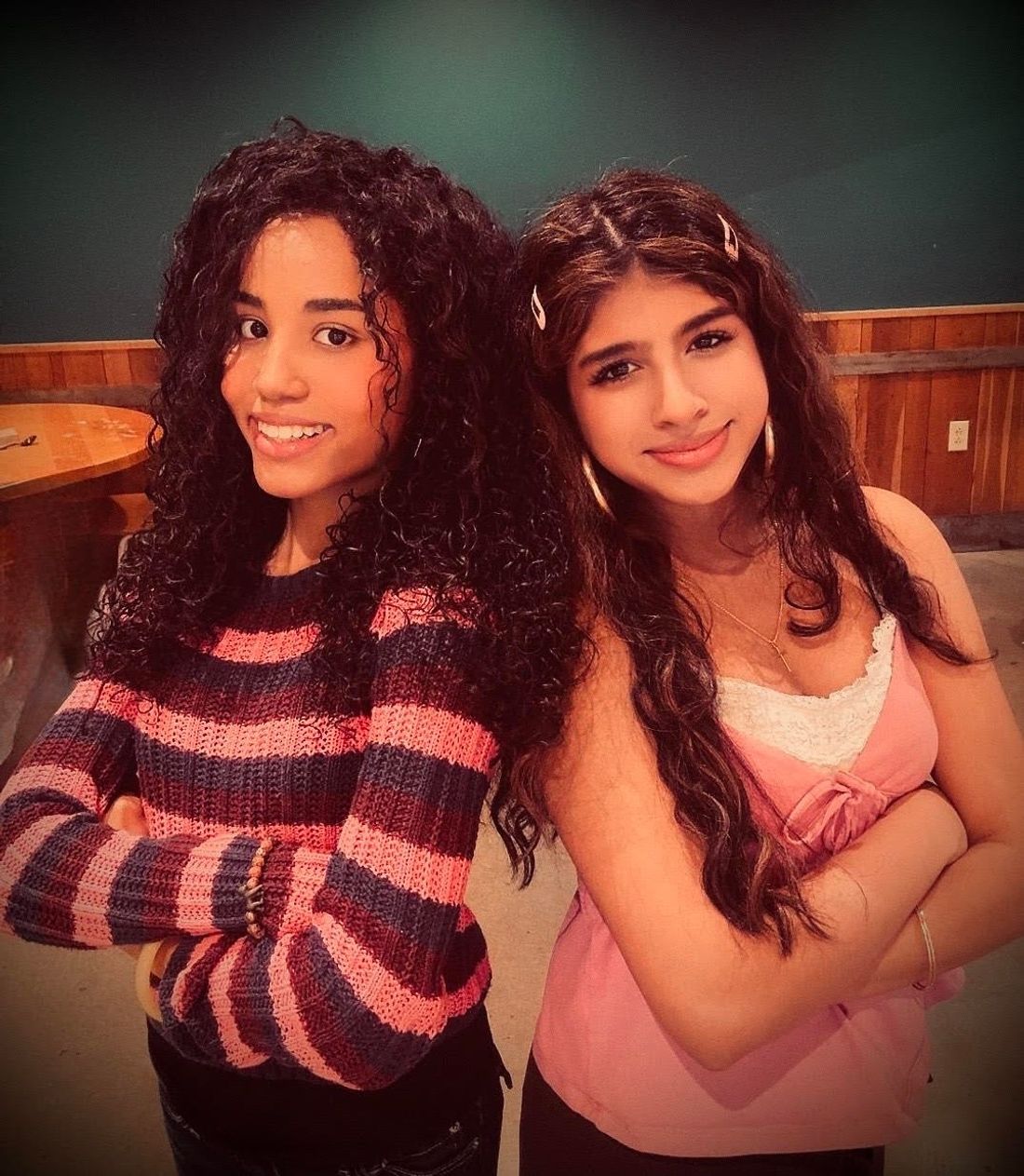
Jyothi-Castillo Ticket
DYNAMIC: Freshmen Jeney Jyothi and Vismary Castillo met in Freshman Composition during their freshman year but only became friends in Speech and Debate. Even though neither has prior experience in student government, both played active roles in their respective middle school communities and in Stuyvesant as well. Jyothi is more reserved, introverted, and observant, while Castillo is more extroverted and prides herself on communication. Thus, while Castillo emphasizes discussion and public statements, Jyothi is more focused on producing measurable results. During the interview, Castillo demonstrated strong leadership, while Jyothi tended to rely on her responses, illustrating a potentially unbalanced relationship.
PLATFORM: Although the Jyothi-Castillo ticket has good intentions, most of their policies are either unfeasible for a high school environment, or very standard. The pair hopes to implement destressing carts containing first aid kits, fidget toys, and coloring books. However, the specifics and budget of the policy do not seem well considered. Additionally, trained professionals like guidance counselors and nurses already exist in the school, raising the question of how helpful the policy would be. When asked about college readiness, the pair seemed unprepared and provided vague answers about resources. Furthermore, their hope to implement microwaves in the cafeteria is unrealistic, and their ideas for policies such as field days and teacher complaint forms are overdone. Though they appear somewhat underdeveloped, the ticket’s ideas to sell field day shirts and trinkets offer promise for fundraising. In an effort to diversify the Caucus’s members, the pair also mentioned asking applicants about their ethnicity and sexuality, which may make some students uncomfortable. Therefore, while the Jyothi-Castillo ticket has good intentions and passion, the ticket falls short due to its lack of planning and knowledge around the limitations of Caucus.
OVERALL: Although the Jyothi-Castillo ticket has passion and enthusiasm for improving their sophomore year, the ticket falls short because of their lack of experience in student government, and unrealistic and uncreative policies. Many of their policies are vague and not well planned, even though some offer potential to be promising and beneficial for the class.

Li-Li Ticket
DYNAMIC: Freshmen Jody Li and Lachesis Li met in Art Appreciation in their freshman year, and have been close friends ever since. Although neither has any prior experience in student government, both emphasize their leadership positions in their respective middle schools. The pair prides themselves on having a strong bond and relationship with each other. Jody Li is responsible and professional, while Lachesis Li enjoys problem-solving and public speaking. However, during the interview, Jody Li seemed more talkative, especially regarding their policies.
PLATFORM: The Li-Li ticket offers some promising policies, such as a Sophomore Bar school supplies cart for students to use. However, many of their policies, including study guides, weekly study sessions, and spirit weeks, are similar to those already run by other organizations. The pair expresses that their initiatives will be more specific to the sophomore class, but seem unsure how they will specifically execute this. Furthermore, the ticket lacks concrete fundraising ideas outside of bake sales and paid events, such as a picnic or Fun-and-Pie event. Regardless, events including Holiday Decorating and Game Nights are well thought out and offer potential to be enjoyable events for the grade. Overall, while many of the Li-Li ticket’s policies are similar to already existing programs, their events and supply initiatives are promising.
OVERALL: The Li-Li ticket expresses strong passion and leadership skills, although not directly in student government. Their supply initiatives and events have potential; however, many of their ideas fall short due to a lack of fundraising and creativity.
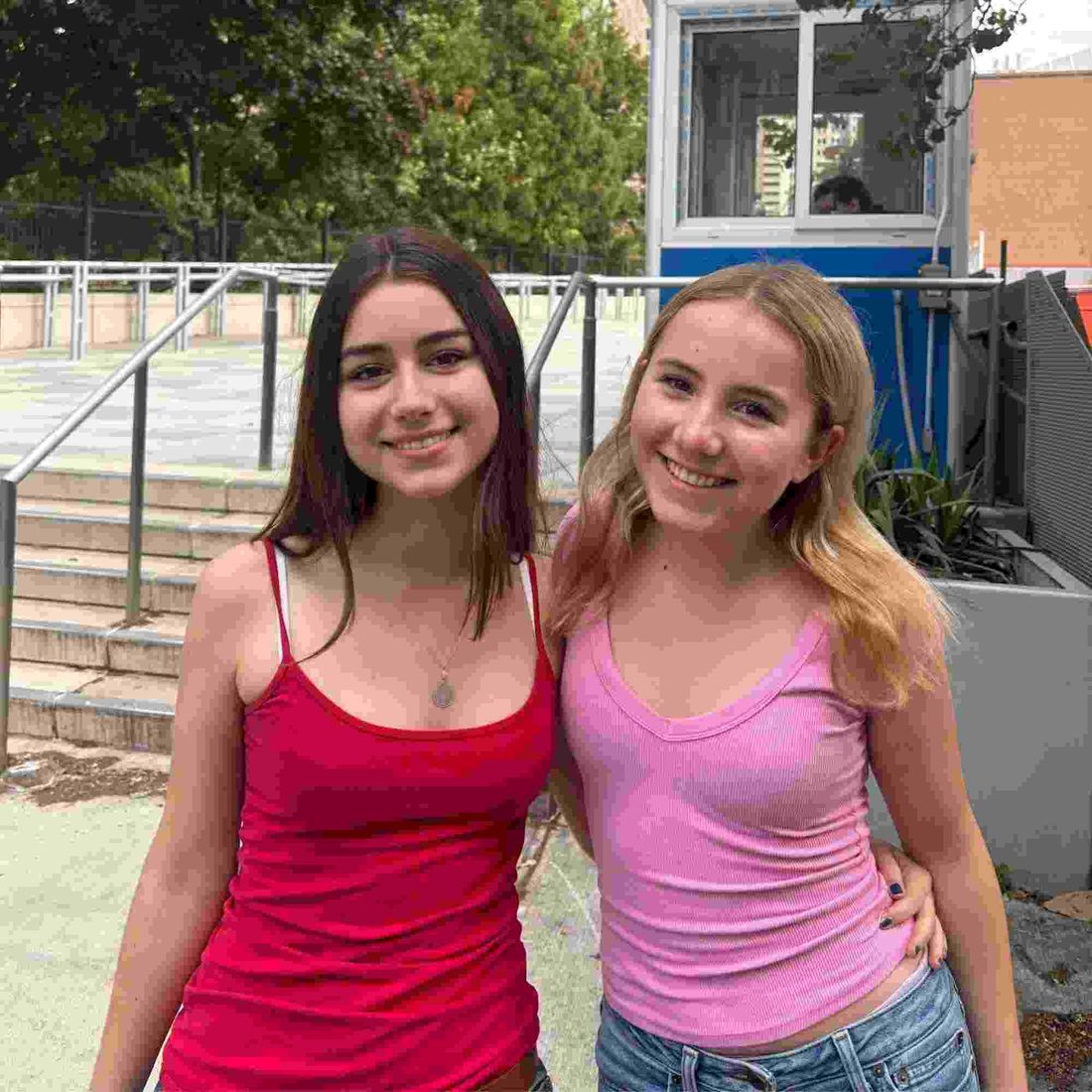
Salas Adam-Randall Ticket
DYNAMIC: Freshmen Lea Salas Adam and Violet Randall met each other during the first day of school in biology, where they became friends after being lab partners. They seem to share a strong bond, frequently spending time together in and out of school. Salas Adam has experience with student government and public speaking, having been a class representative in middle school, and a current member of Model UN and debate. Randall also has experience with leadership as the captain of a girls soccer team, where she also listens to the voice of students and their needs. The pair emphasizes collaboration, accessibility, communication, and creativity.
PLATFORM: The Salas Adam-Randall ticket prioritizes creating spaces for students to take a break from the academic rigor that Stuy places around them, and streamlining resources, making them more accessible to students. They emphasize building community, through various events, such a Sophomore field day, which would give sophomores the opportunity to socialize with each other while doing fun activities, such as face painting, arts and crafts, and sports. They plan to send out a monthly newsletter, which would highlight opportunities from Mr. Blumm’s weekly bulletin, have a club spotlight, and highlight important events or dates for that month. They emphasize the importance of communication, and plan to improve it through sending out information by both email and social media.
OVERALL: Overall, the Salas Adam-Randall ticket has a solid, balanced dynamic and creative ideas. They’re focused on having a better sense of community for sophomores, and improving accessibility to resources.
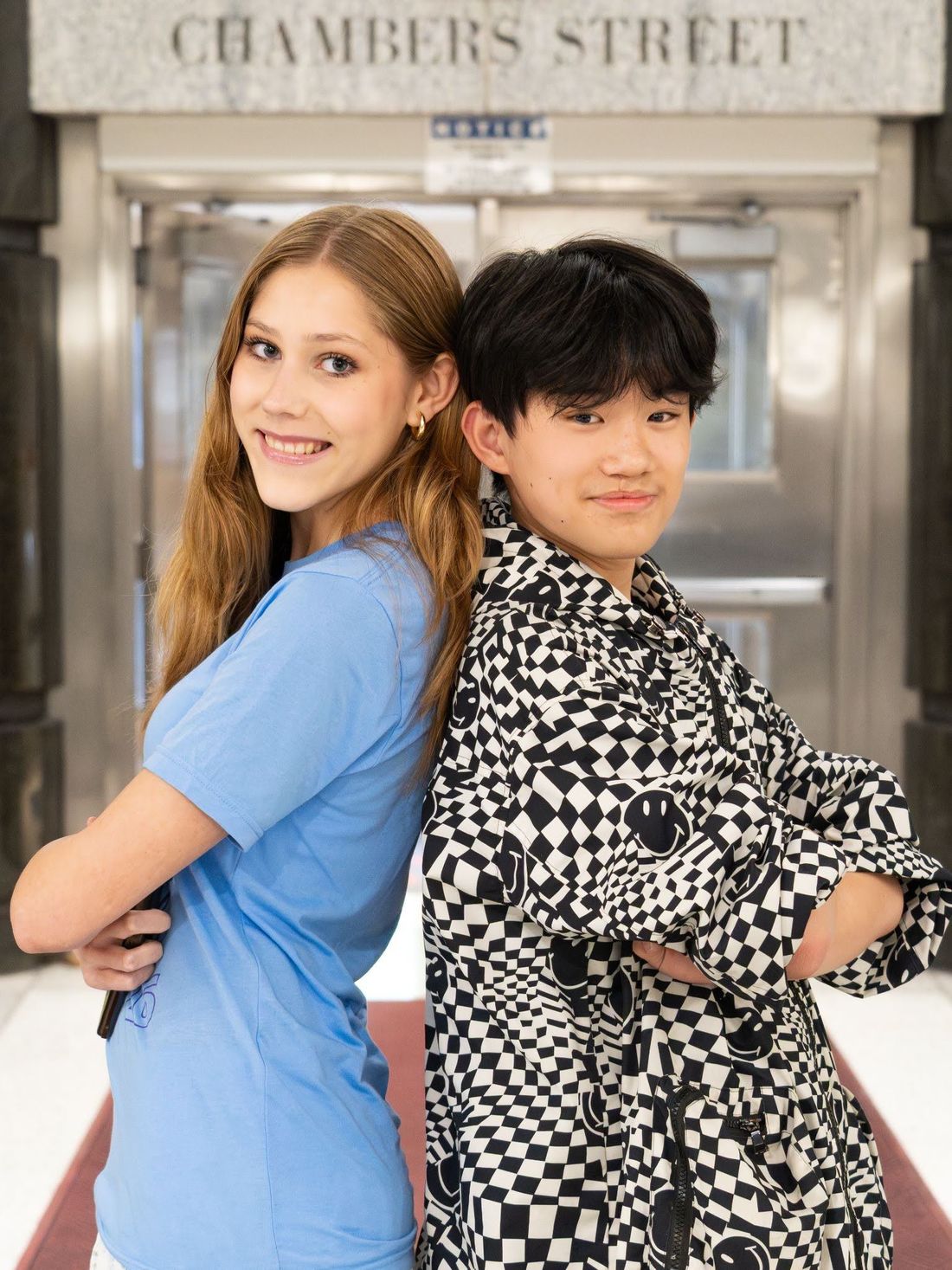
Lin-Bosbach Ticket
DYNAMIC: Freshmen Richard Lin and Theresa Bosbach met while working together for Freshman Caucus and have fostered their friendship spending time together during lunch. In addition to their Caucus experience, both have participated in many clubs and volunteer frequently. With her experience as Events Director, Bosbach will handle the events and creative departments, while Lin, who is currently Freshman Caucus co-president, will handle internal and external affairs as well as outreach. Overall, they have a pretty solid dynamic.
PLATFORM: The Lin-Bosbach ticket emphasizes making Sophomore year more memorable through a variety of fun events, such as a Sophomore dance, Sophomore Olympics, and fundraising events to dunk teachers and pie members of their cabinet. They also have ideas to improve students’ lives through installing a microwave in the cafeteria (with aides and parent volunteers operating it for students), which is unrealistic, and creating designated quiet spaces for game-playing and work with provided laptop carts. They plan to have supervision from willing teachers and parent volunteers. For career readiness, they proposed workshops and guides hosted with the help of parent volunteers and alumni. Finally, they want to create a Sophomore scrapbook and time capsules to memorialize the year.
OVERALL: The Lin-Bosbach ticket has a lot of fun ideas, and their previous experience in Caucus makes them strong candidates. However, many of their ideas don’t seem fully fleshed out, or are very similar to ideas other caucuses have proposed.
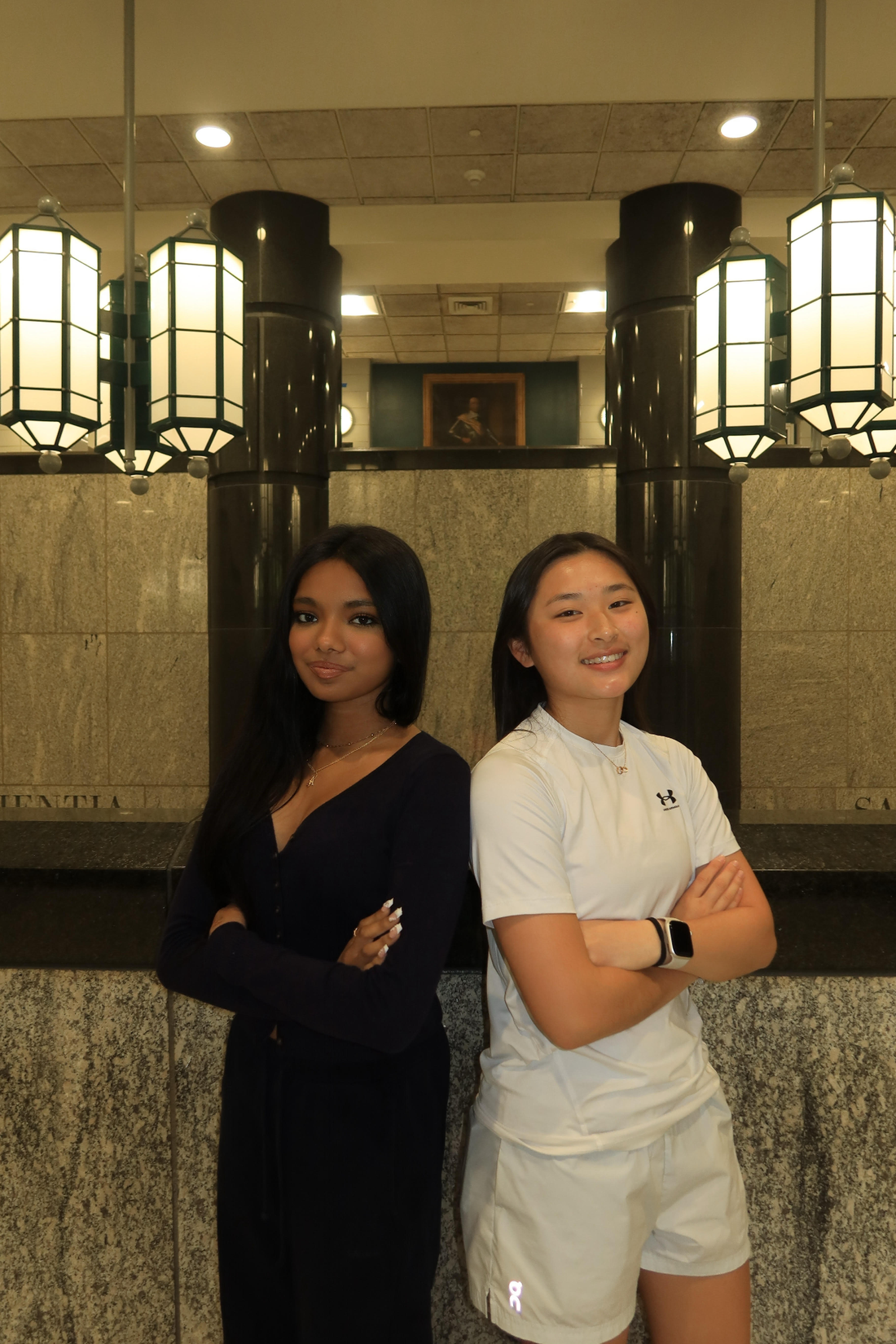
Zhang-Miah Ticket
DYNAMIC: The Zhang-Miah ticket met online ahead of their freshman year before deciding to run for Sophomore Caucus together. Miah found her place at Stuyvesant in Model UN, emphasizing her interest in the humanities, while Zhang is interested in math and content creation. Both emphasized their ability to make important, timely decisions under pressure, as well as the importance of responsibility. While neither has extensive leadership experience, Miah worked as a member of the SU Events department before being removed from the position.
PLATFORM: The Zhang-Miah ticket offers ambitious policies emphasizing community and a reprieve from Stuy’s intense atmosphere, from yearbook and merch sale s to an end-of-year sophomore formal. However, many of these initiatives lack feasibility. For example, plans to fundraise for the end-of-year sophomore formal lacked detail, especially considering the pair hoped to book an external venue and caterers. Some more achievable ideas included a study session bulletin and monthly sophomore calendar with important event countdowns. Study sessions, while common in ARISTA, would be unique in that they would feature non-upperclassmen that are more familiar with the class and teacher-specific help to account for differences in curriculum, while the caucus calendar would cater information to sophomores. The pair also advertised a Diversity Day, an opportunity for students to share their cultures and foster a closer community. Finally, to ensure that people remain engaged in these events throughout the year, the pair hopes to implement a point system for attending events and engaging in initiatives to earn a chance at an end-of-year prize. While a potentially promising system, the pair’s policy relies too heavily on it to maintain interest in caucus events and initiatives.
OVERALL: Although the Miah-Zhang ticket features a number of ambitious creative ideas, as well as a passionate duo, the infeasibility and lack of planning behind their platform makes it difficult for them to execute most of their policies if elected.
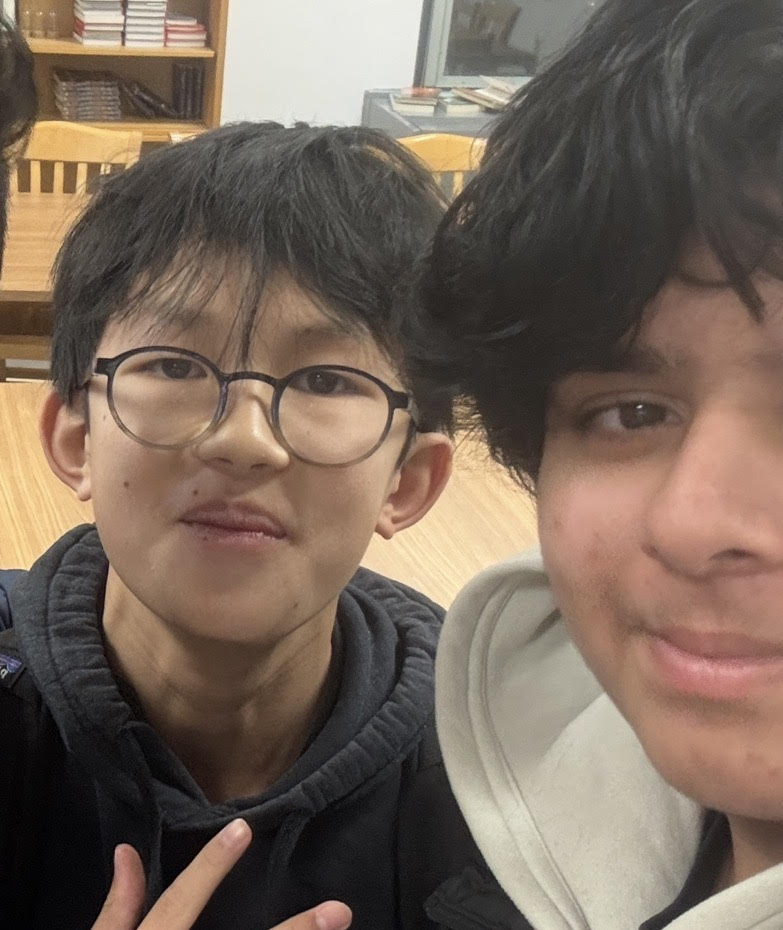
Chan-Shahbaz Ticket
DYNAMIC: The Chan-Shahbaz ticket met in debate their freshman year and have been friends ever since. The pair emphasizes their communication skills and ability to gauge the desires of the student body. Chan describes himself as stronger at communicating with students, while Shahbaz is stronger at behind-the-scenes policy work. While neither have experience in Stuyvesant’s student government, Chan has experience heading a volunteer program for animal shelters, while Shahbaz ran school fundraisers for his middle school’s student government.
PLATFORM: The Chan-Shahbaz ticket plans to host a number of social events and fundraisers to foster community spirit. Additionally, they intend to focus on catering to transfer students who may otherwise struggle to adjust to Stuyvesant. While well-intentioned, these plans are heavily underdeveloped; the pair did not have a clear plan for what events to hold—only briefly mentioning ideas ranging from luncheons to trips to Governors Island, and neglecting how to fundraise for them apart from suggesting bake sales. Other more achievable ideas include study spaces and study groups, which they described to be different from ARISTA in that they are not one-on-one. Furthermore, while they hoped to make study areas where students could use devices under direct supervision, they recognized the difficulty of implementing such a policy.
OVERALL: While the Chan-Shabhaz ticket has some promising ideas, such as helping transfer sophomores, a lack of planning and structure in their platform may make following through difficult. Additionally, the pair relies too heavily on student input to make policies, opting to use Google Forms from students to gauge what they should implement.