2026 Senior Caucus Endorsements
2026 Senior Caucus Endorsements
Reading Time: 9 minutes
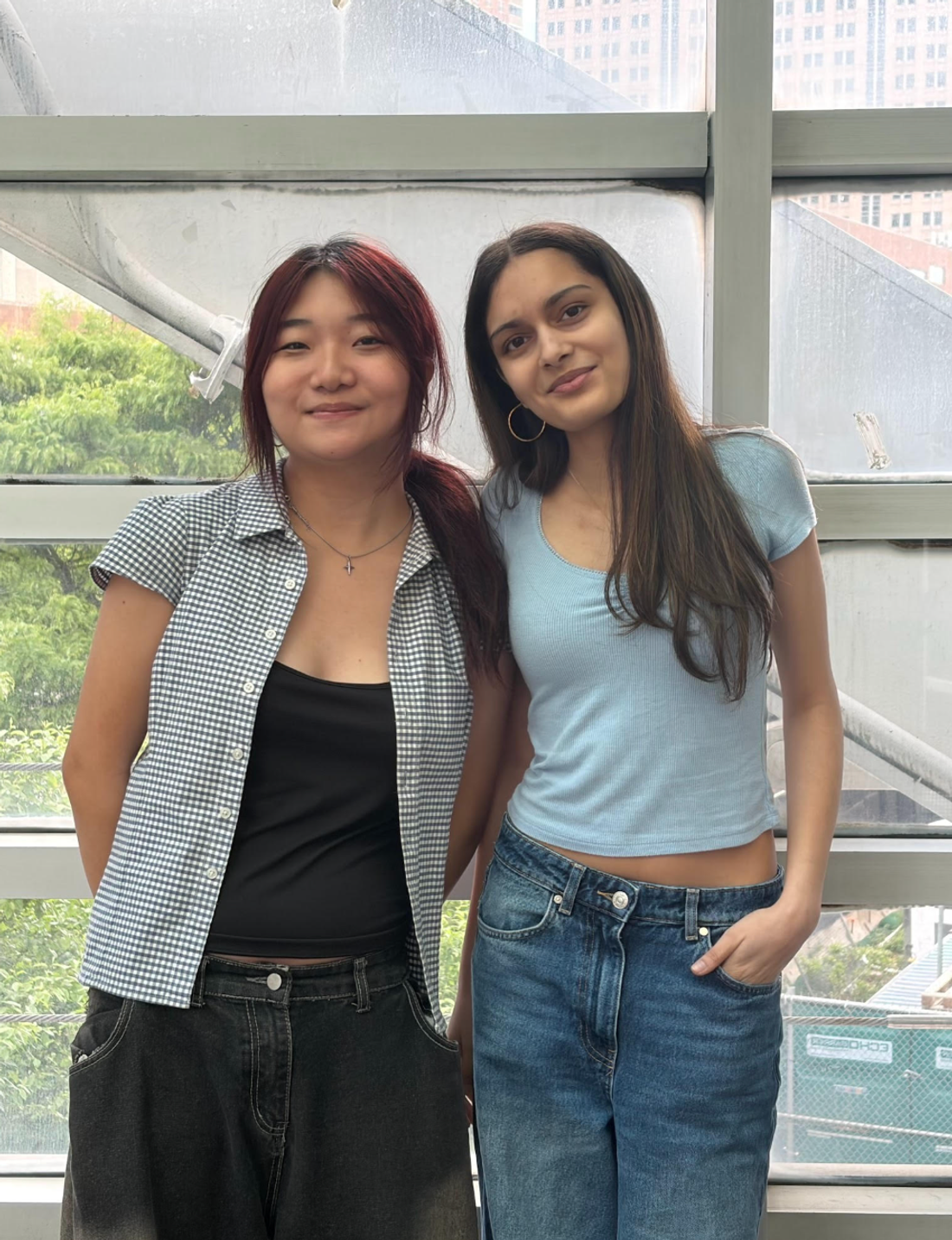
Qu-Jhaveri Ticket
DYNAMIC: Juniors Mitali Jhaveri and Melody Qu first met their freshman year through overlapping friend groups and shared interests. They both have a longstanding, deep interest in Student Union and caucus, which they have both been involved in since their freshman years. The Qu-Jhaveri ticket has a well-balanced dynamic, with both candidates clearly understanding their areas of expertise and how to delegate work. As one of the current Junior Caucus co-presidents, Jhaveri emphasized her experience in event planning and fundraising. Qu also has significant experience in event planning roles, including in caucus, and her skills would work in tandem with Jhaveri’s strong leadership and financial insight. The pair described themselves as complementary, self-motivated candidates who are experienced and ready for the role of Senior Caucus president.
PLATFORM: The Qu-Jhaveri ticket is running on the pillars of encouraging community engagement, emphasizing college and career readiness, and hosting frequent events. They both stressed the significance of senior year and their interest in incorporating a balance of academic and fun activities into their platform. They particularly emphasized preparing seniors for college applications while also making the school a fun and relaxing environment for their peers. They plan to implement a promposal stand, class playlists, and senior assassin, and they hope to continue making college tours, workshops, and scholarship opportunities accessible to the student body. Some proposals, like collaborations with other specialized high schools like Brooklyn Tech and the implementation of a suggestion box, felt slightly unrealistic or unlikely to succeed, but generally, the Qu-Jhaveri platform is well thought out and has a strong understanding of the inner workings of the Stuyvesant administration.
OVERALL: The Qu-Jhaveri ticket has a strong dynamic, with both candidates appearing ready to lead and confident in their abilities. They present themselves as having found a strong balance between Jhaveri’s understanding of financial networking and allocation and Qu’s event planning skills, and both have a longstanding history in caucus and SU. They also each have experience in a range of other extracurriculars, making them well-rounded individuals and strong candidates for the position. Their events seem achievable and thorough, and both emphasized their genuine care for improving caucus in their last year at Stuyvesant. For these reasons, The Spectator endorses this ticket.
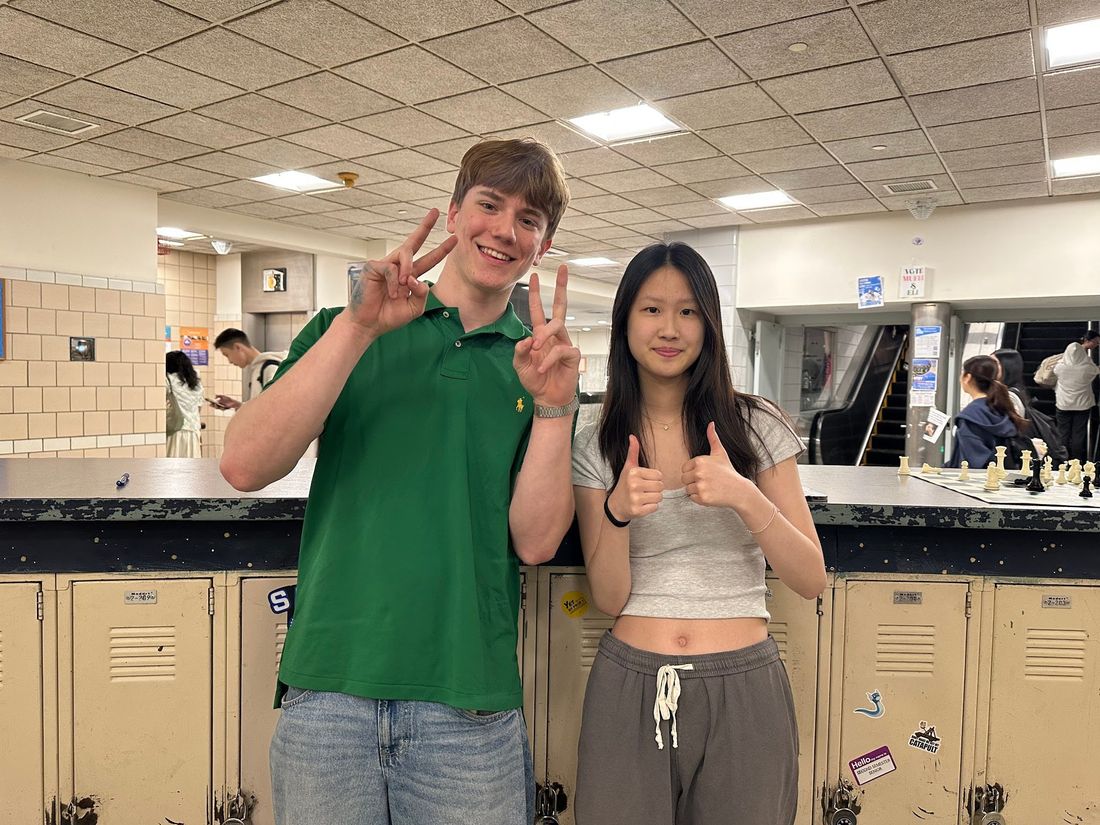
Yu-Smith Ticket
DYNAMIC: Juniors Mufei Yu and Eli Smith initially only shared mutual friends, but close proximity as classmates in multiple courses. After spending so much time together, the pair decided to run for Senior Caucus, believing their close connection, joint experience, and school spirit made them ideal candidates. Yu brings student government experience to the ticket, most notably from serving as Freshman, Sophomore, and Junior Caucus co-president. While Smith has less experience in this field, he possesses other leadership positions as the founder of STUYIMBY, a housing policy organization, and as an Opinions editor for The Spectator. Smith shared that he looks forward to learning more about managing caucus responsibilities from Yu. Both candidates stressed their mutual trust in each other and dedication to splitting responsibilities evenly, with Yu handling background tasks and Smith taking care of advertising and publicity.
PLATFORM: Yu and Smith’s policies are built upon the foundation of three pillars: representation, advocacy, and feasibility. A major focus of their campaign is increased student input on caucus decisions, as they propose an in-person complaint system where students can discuss their concerns with a caucus member in the Student Union room, alongside the virtual suggestion box. Instead of introducing new and potentially impractical ideas, the pair aims to make improvements to existing senior traditions, such as bringing a parachute to Senior Sunrise and setting up DIY shirt tables on Commitment Day for students who have not yet purchased college merchandise. They have also already begun brainstorming logistics for major senior events such as prom or graduation, outlining possible venue options and more improvements in their platform. The candidates further placed an emphasis on their close relationships with both previous caucus leaders and external organizations, which distinguishes them from other tickets.
OVERALL: The Yu-Smith ticket demonstrates balance and strong dedication in their close relationship and platform. Both candidates emphasize their love for Stuyvesant and their goal of making senior year memorable and inclusive for all students. Their policies balance feasible goals with effective changes, showing a clear understanding of caucus’s abilities. Their event proposals are detailed and well-thought-out, and take student input into account. Their leadership experience and strong working dynamic make them well prepared to take on the caucus president role.
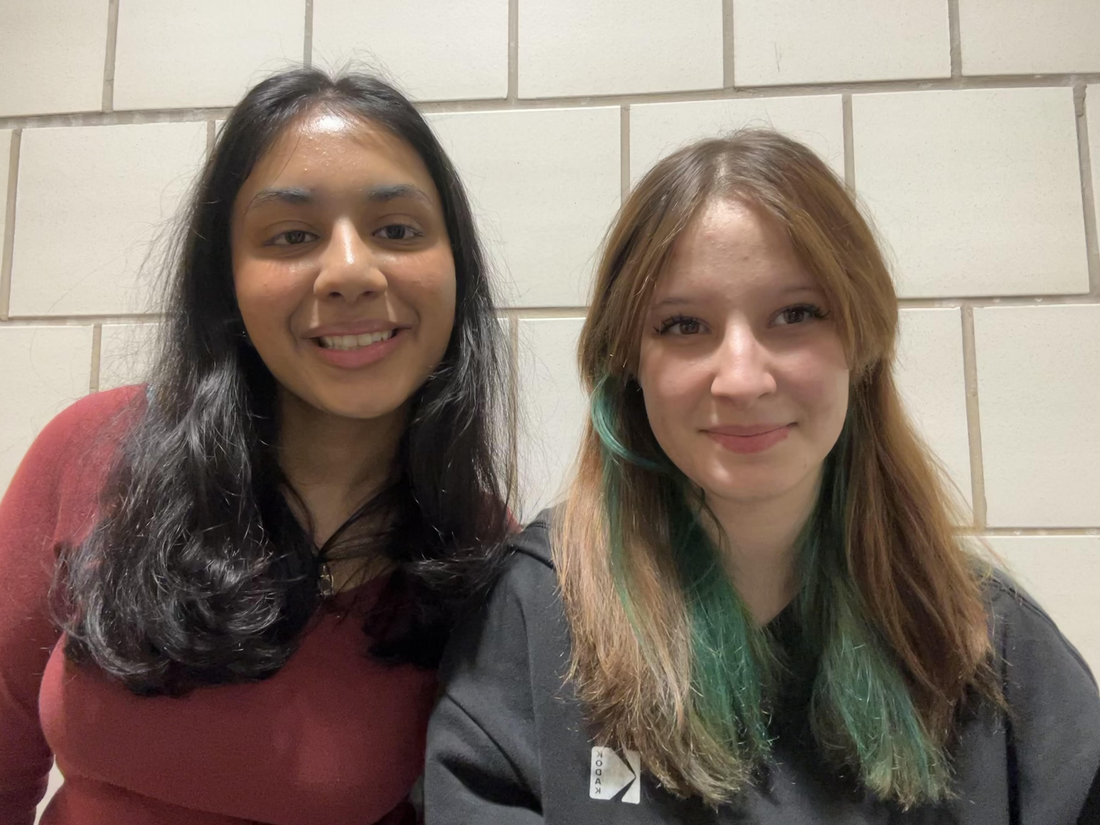
Baid-Jamalden Ticket
DYNAMIC: Juniors Aanya Baid and Onyx Jamalden met as sophomores through a mutual friend. They have developed a strong bond both socially and professionally, notably working together as co-interns at the Metropolitan Museum of Art. Baid is a Big Sib and has directed the Bolly dance crew for different events at Stuyvesant. Jamalden is one of the captains of the Vixens, Stuyvesant’s girls’ volleyball team, and a volunteer coordinator at a nursing home. Both Baid and Jamalden use a hands-on approach to leadership in order to foster strong bonds within a group, as well as a willingness to step up to achieve practical goals. The ticket has a strong rapport, and both candidates demonstrate enthusiasm for leadership.
PLATFORM: The Baid-Jamalden ticket hopes to create lasting memories, emphasizing the importance of transparency and student participation in their platform. They plan to increase the frequency of bake sales in order to raise funds, much of which would be allocated to events such as prom as well as senior trips. They divide their policies into two blocks, centering stress relief and support for college applications during the first semester and focusing on grade-wide day trips and overnight trips in the second semester. While overnight trips would require extensive coordination and planning, the ticket believes that they can achieve these ambitious goals through proper funding and support from the administration. However, the ticket seems to fall short of the comprehensive planning needed to make some of their goals happen; proposed overnight trips or senior vending machines require working with the administration, which the candidates lack experience with.
OVERALL: Baid and Jamalden display balance and warmth both in their partnership and in their policies. While many of their proposals are very ambitious, they show a promising blend of practicality and commitment, backing up their creative ideas with strong leadership skills and clear sources of funding. A lack of experience in student government may prove to be an obstacle for the ticket, but their emphasis on communication and bonding within the class of 2027 could make Baid-Jamalden a popular choice.
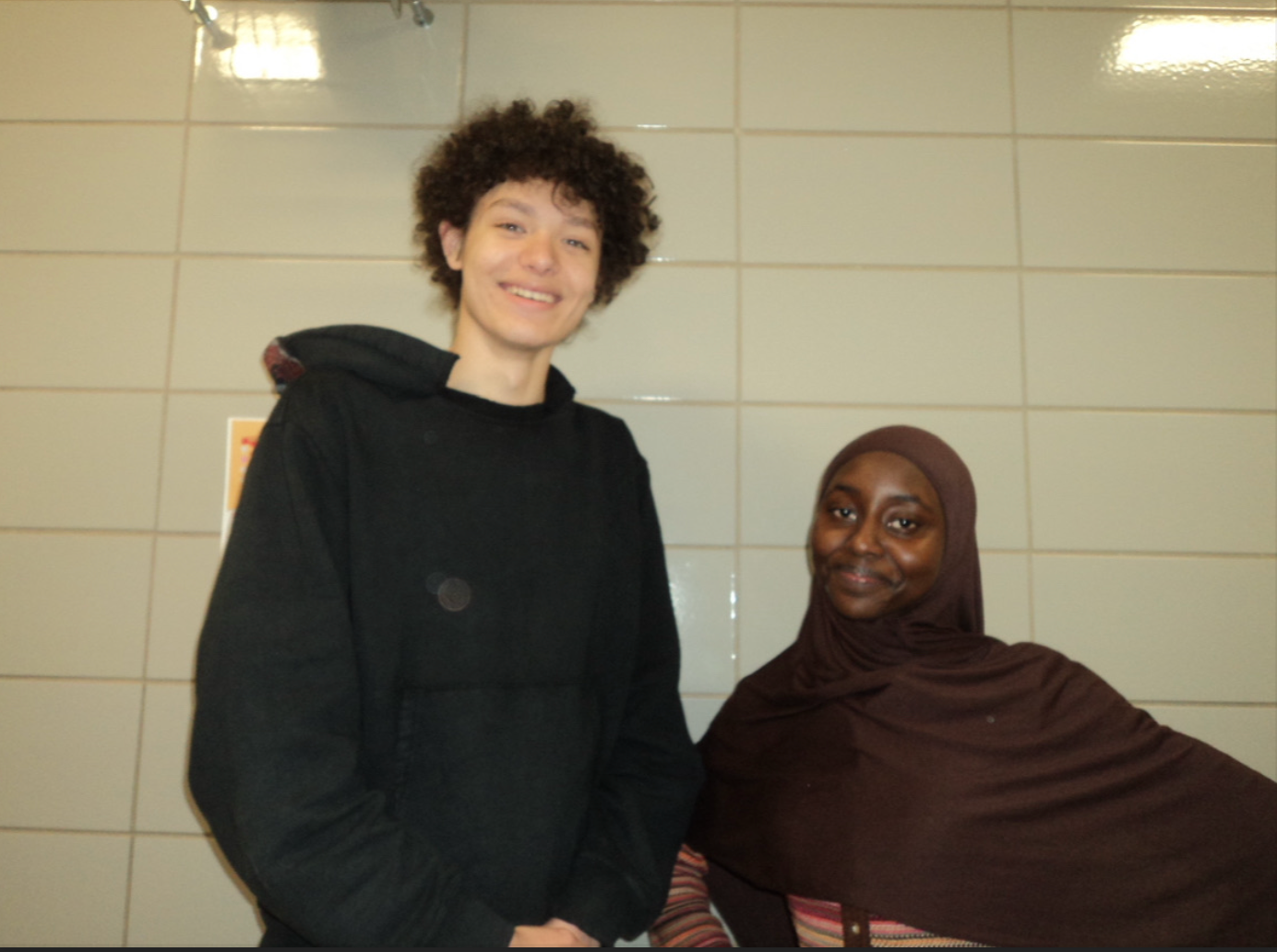
Gassama-Kersnowski Ticket
DYNAMIC: Gassama and Kersnowski emphasize how their partnership is built on differing perspectives and open discussion. Having met in freshman year French class, the pair described how constant debate and deep conversations strengthened both their friendship and ability to collaborate. Gassama brings stronger institutional experience through her work with the Alumni Association and leadership within the Black Students’ League, while Kersnowski contributes leadership experience from varsity sports and his work as a surf instructor at a summer camp. Though the pair lacks extensive caucus or SU experience compared to other tickets, they frame themselves as outsiders seeking to reform what they perceive as a disconnected and cliquey student government culture.
PLATFORM: The Gassama-Kersnowski platform centers heavily on community-building, fundraising, and making senior year feel more memorable through seasonal events and college-readiness initiatives. Their strongest proposals, although somewhat unoriginal, are their fundraising and outreach initiatives, as the pair demonstrates awareness of the financial obstacles that often challenge the actual execution of said initiatives. Ideas such as scholarship announcements, college essay workshops, alumni networking, and increased outreach through social media and newsletters resonate strongly with common concerns that seniors have and are relatively feasible given Gassama’s connections. However, while the platform contains a wide range of events and fundraising ideas, much of it lacks originality and resembles ideas presented in previous and competing campaigns. Certain initiatives also raise concerns about feasibility—including their proposed raffle fundraisers, which are prohibited under DOE regulations—and proposed direct collaboration with the Parent’s Association. Additionally, the platform occasionally feels oversaturated with spirit events and holiday activities that may prove difficult to consistently execute alongside other major responsibilities of Senior Caucus, such as prom, coordinating graduation, and fundraising initiatives. While the campaign succeeds in presenting emotionally resonant and accessible ideas, it places greater emphasis on event planning than on concrete structural reforms or long-term policy ideas.
OVERALL: Gassama and Kersnowski's campaign resonates most through its message of accessibility, inclusivity, and frustration with the prior caucus that they believe failed to adequately connect with students. Their emphasis on outreach and affordability addresses many of their peer’s concerns, giving their campaign a strong message despite the lack of originality. At the same time, the ticket’s lack of substantial Student Union or caucus experience raises reasonable concerns regarding feasibility and execution. Senior year moves quickly, and successfully coordinating large-scale events, fundraising, and graduation often requires familiarity with existing caucus systems and processes from the outset. However, the ticket clearly demonstrates passion and ambition, though portions of their platform remain difficult to realistically sustain throughout the entire year.
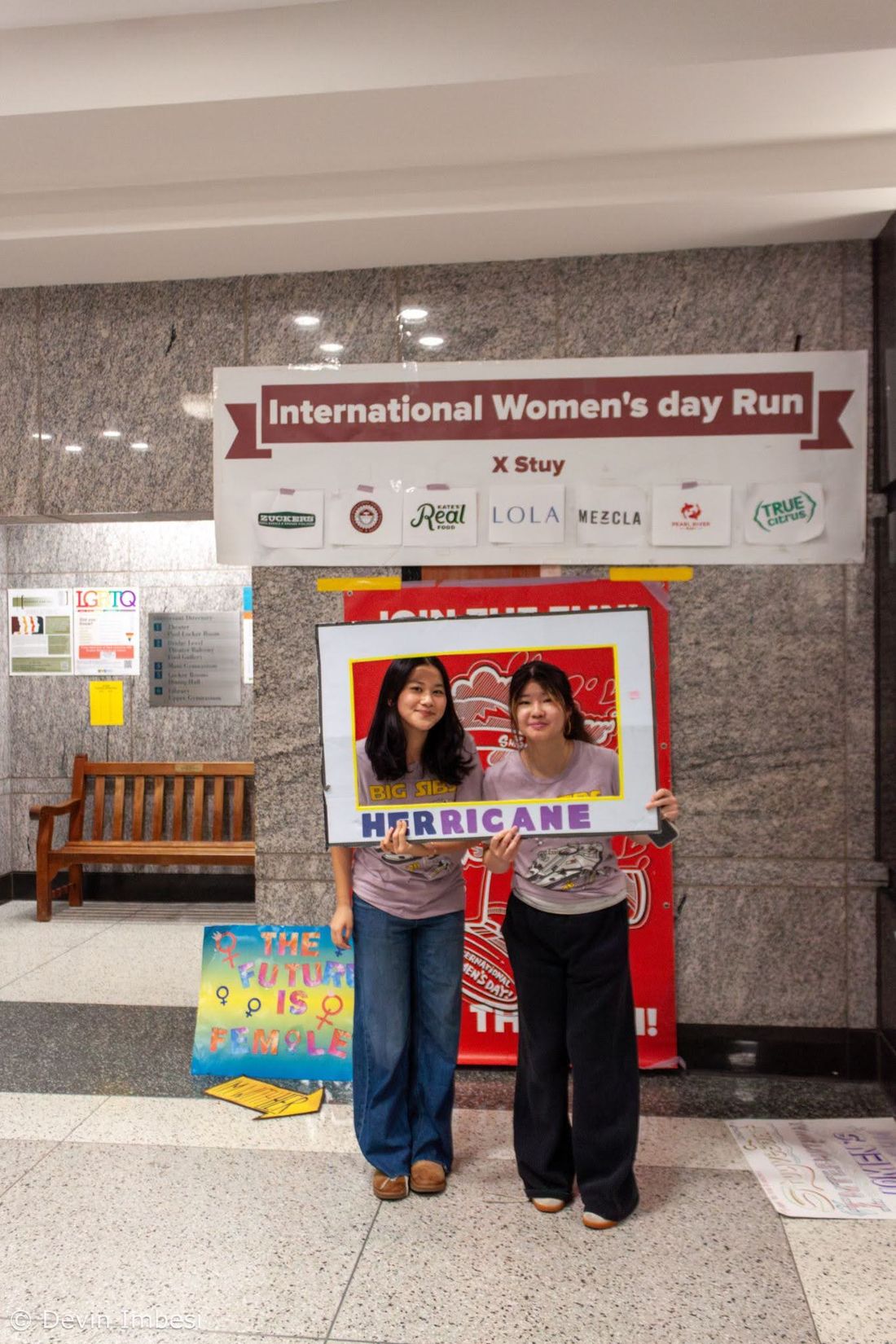
Huang-Huang Ticket
DYNAMIC: Juniors Katelyn Huang and Isabell Huang met in their sophomore year through shared classes before becoming close friends this year through collaboration on school projects and extracurricular commitments. Having worked together on assignments and group tasks in the past, they are confident in their strong working dynamic and ability to function effectively as a team. Both described themselves as hardworking and highly committed, demonstrating dedication and a sense of responsibility.
PLATFORM: The Huang-Huang platform hopes to prioritize inclusivity, affordability, and community-building throughout senior year. Their proposals include expanded fundraising efforts, hygiene-related initiatives, sustainability campaigns, and additional college preparation resources. The ticket also emphasizes making senior events financially accessible through fundraisers such as bake sales, food competitions, and sponsorship opportunities. Some proposals, including celebrity impersonators at prom, personal care initiatives, and sustainability reforms, stand out as more unconventional ideas. However, many policies lack detailed implementation plans, and several ideas rely heavily on administrative cooperation or external funding. Some proposals, such as networking events and college preparation workshops, overlap with programs already available at Stuyvesant.
OVERALL: Huang and Huang distinguish themselves through their emphasis on approachability, empathy, and student connection. The ticket consistently frames caucus leadership as a way to strengthen community bonds and create a more inclusive senior experience. Although neither candidate has extensive student government experience, they emphasized that the leadership, communication, and organizational skills they developed through other extracurriculars and commitments would aid in their transition into caucus leadership. Their campaign presents several creative and ambitious ideas, though some proposals lack operational planning. Still, their focus on accessibility, adaptability, inclusivity, and building relationships within the grade could resonate strongly with students looking for a more community-oriented approach to Senior Caucus.
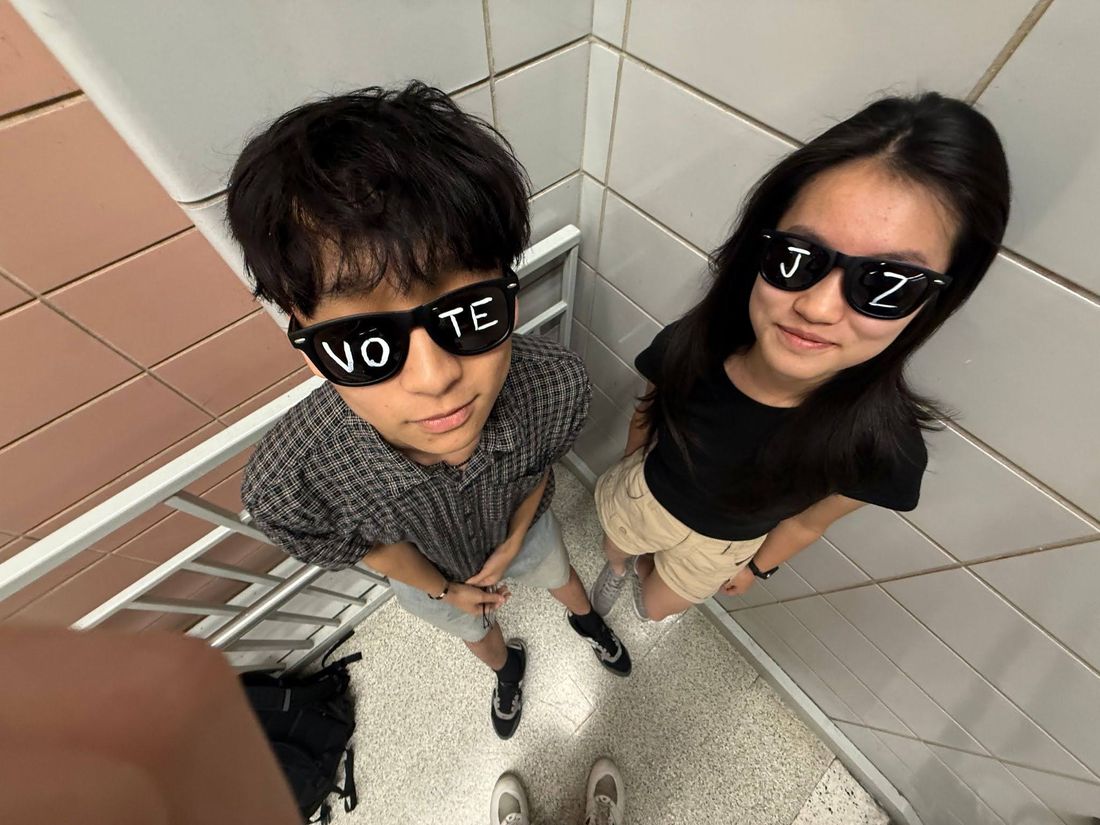
Kim-Lee Ticket
DYNAMIC: Dynamic duo and juniors Joshua Kim and Zoe Lee met in middle school, bonding over their shared interests in sports. Kim gained event management experience through his leadership at Fireplace, where he coordinated with venues and managed event planning for hundreds of students. He also founded a non-profit benefiting underprivileged children in housing projects. Lee is involved in numerous in-school activities such as the Stuyvesant Alumni Mentoring Program, where she is a student leader. She is also a three-sport athlete on the volleyball, badminton, and basketball teams. Lee is additionally the CEO of the nonprofit Maker Faire Coney Island, where she secured venues, reached out to local businesses, and led numerous large and small events. Although lacking official student government experience, both Kim and Lee exhibit leadership skills and proficiency in logistics outside of school.
PLATFORM: The Kim-Lee ticket’s emphasis on transparency, productivity, and action stems from what they see as a distinct lack of these qualities in the current Junior Caucus. They stress achievable plans, which include a nostalgic senior sunrise and game of senior assassin, cash-prize volleyball and basketball tournaments that double as fundraisers, and monthly Friday ice cream sales with profits contributing to Senior Prom. Their platform also extensively covers college readiness, which they plan to address with master documents detailing admission rates, essay prompts, and historical data for colleges and universities. They also plan to offer college essay webinars alongside mock college interviews and resume-building workshops with support from Lee’s ties to the Alumni Association. The Kim-Lee ticket also displays a detailed month-by-month schedule to plan Senior Prom, including venue logistics and a designated prom committee. Finally, Kim and Lee would support earlier communication within SING! Slate to secure the first win for the class of ‘27.
OVERALL: Kim and Lee demonstrate a charismatic dynamic that complements their platform and sets an example for connection within the student body. Their promise to collaborate and divide work equally, while perhaps unrealistic, illustrates their mutual trust. Their platform urges students to vote for policies, not people, and they commit to truly listening to the voices of seniors. Their events aim to provide both aid and amusement for the students through senior traditions and extensive support in the college application season. However, their previously mentioned lack of student government experience might make it difficult to balance fundraising, event planning, and managing student grievances.