Why America Shouldn’t Do Brexit
America is on a course to alienate itself completely from other nations, and Brexit shows us what that looks like for the US’s future.
Reading Time: 4 minutes
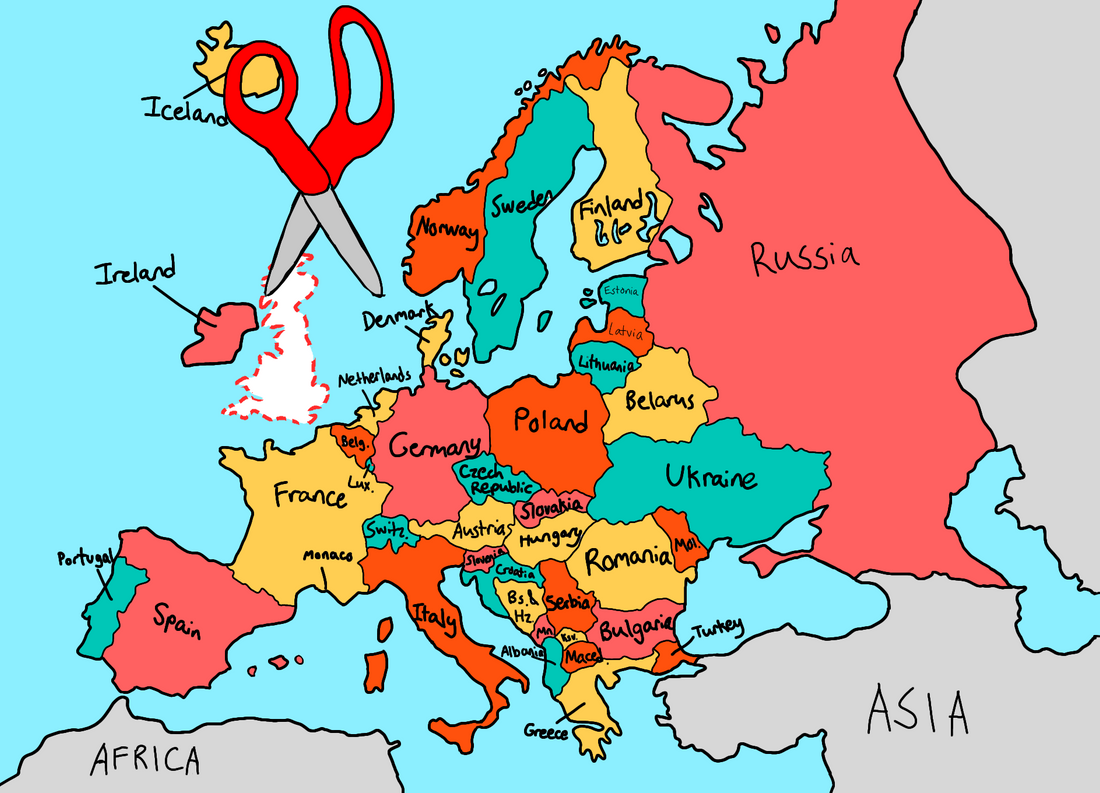
In June 2016, citizens of the United Kingdom narrowly voted in favor of leaving the European Union, with a mere 52 percent of the country in support. The result was so unexpected and controversial that the British Prime Minister David Cameron resigned following the result, and he wasn’t alone in viewing this departure as too drastic a measure. Many outsiders didn’t see a lot of reason for Britain to voluntarily leave the EU, especially because of the many trade and travel benefits attached to membership. On paper, it was a terrible decision. Free travel for British citizens in most of Europe ended, and the British football scene was devastatingly reduced.
But for millions of people at the time, none of those consequences mattered so long as Britain regained its autonomy from the approximately 19,000 EU regulations in place that Britain was required to follow as a member nation, as well as the freedom to trade and negotiate with foreign nations without being bogged down by the EU’s fees and restrictions.
Another large factor in favor of Brexit (the term for Britain’s exit from the EU) was the belief that this would stanch the flow of immigrants from EU member countries, and that post-Brexit British immigration policy would be tighter on migrants everywhere. This plan backfired tremendously, and despite the marginal decrease in the immigration numbers from EU countries, immigration actually went up overall after Brexit. This was because Britain’s new immigration policy was much less strict than the EU’s baseline immigration standards. While the new policy was tighter on EU immigrants, it applied the same standards to both travelers from EU nations and everywhere else, leaving much looser regulations on American, African, and Asian immigrants than Britain had as a part of the EU.
The last and perhaps the most pressing reason as to why citizens of Britain voted to leave the EU was the scale of their contributions as a member. In 2016, they were the second-highest contributor to the EU’s budget, spending £7.3 billion (almost $10 billion) per year.
Just as British citizens didn’t want their government to keep subsidizing other member nations of the EU, domestic complaints about US spending in the North Atlantic Treaty Organization are becoming more and more prevalent. President Donald Trump has not been shy in expressing his disapproval of the amount that the US contributes to NATO’s defense budget. It is no secret that the Trump administration has had tensions with NATO, and although Trump himself can’t unilaterally decide for the US, he can definitely influence the decision for the US to leave NATO from his position as president. The situation in Greenland, in which Trump made plans for a deal to acquire land overseas for drilling and “defense” purposes, has shown that the NATO alliance isn’t as steadfast as it once was. America contributes 16 percent of NATO's direct operating budget—a little under three-quarters of a billion dollars each year—though in terms of total defense spending, the U.S. accounts for roughly two-thirds of all NATO member expenditure combined. Were the US to feel that it no longer benefited from membership in NATO, its exit would adversely affect both the US and remaining member states much more than Brexit ever could hurt Britain.
Since its inception in 1949, a member country of NATO has never been formally invaded. NATO has been very successful in posing a genuine and substantial military threat to any nation that might seek to attack member states; the moment that it stops being the most threatening and most powerful alliance in the world is the moment that all of its European member nations (including Britain) are under threat from not only terrorist attacks, but declarations of war. It is very easy for Trump to justify cutting NATO spending or abandoning the alliance entirely because of how few threats the American people face on a daily basis, but his plan to put Americans first financially will end up hurting both Americans and other countries politically and militarily.
More than six years after Brexit, polls found that the decision’s approval rating had dropped to below 30 percent for British citizens—a stark contrast to the majority vote that got the ruling passed in the first place. Since its official exit in January 2020, Britain has suffered politically and economically. Projections suggest that if Britain had stayed in the EU, its exports would have been 30 percent higher than they are now, as in the years following, more than 1,000 EU laws, many of which were pro-business, were axed. The subsequent departure of larger multinational corporations from Britain only served to further damage the economy. If Trump continues to sever foreign relationships with his high tariffs on nations, including US allies, and his reckless foreign policy, the US risks following in Britain’s footsteps.
We also take our national security for granted because of America’s GDP, its defense spending, and the lack of major domestic attacks post 9/11. But the US military is not invincible, and its stockpiles are not bottomless. In under a week of fighting in Iran, the US military spent $11.3B, and at the rate that new missiles are being produced, it is likely that we will run out before the war reaches a conclusion. Inventory reports found that the US would run out of some precision missiles it employs in just two weeks if it kept up the intensity of bombings on Iran. Having allies like those in NATO would go a very long way in protecting Americans if our own military fails to do so. If Trump decides to continue neglecting foreign relationships and if his administration makes the big decision of leaving NATO, he and all of America will regret it.