
What is High Cortisol vs. Low Cortisol?
Cortisol is a stress hormone that can cause weight fluctuations and the “High vs. Low Cortisol” trend deceives low cortisol levels as a positive health goal.
Reading Time: 3 minutes
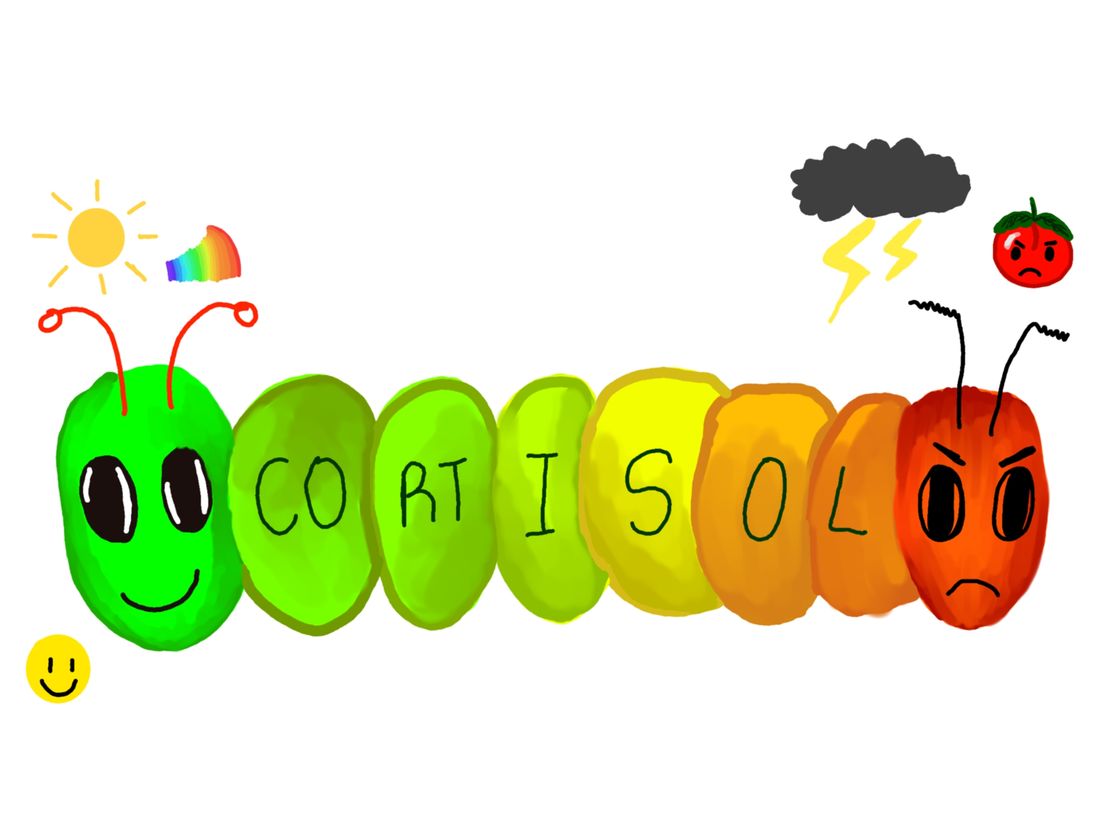
If you’ve been online recently, you’ve probably come across the viral “High vs. Low Cortisol” dance trend. These videos typically show someone performing the “scuba” dance—mimicking diving movements—that is labeled “high cortisol,” followed by a transition into another dance, set to the Vietnamese song Ai Đưa Em Về, where they place their hands on their head and shake their hips, labeled “low cortisol.” As these videos continue to go viral, many users unfamiliar with these terms can be confused about what creators are referring to. This trend misinterprets having “high cortisol” with stress and bloating and “low cortisol” as the ideal state for achieving productivity and physical goals. In reality, cortisol is a stress hormone that regulates metabolism, blood pressure, and sleep cycle. Social media overlooks a huge part of this biological process.
Cortisol is a hormone produced by the adrenal glands and plays an important role in the body’s “fight or flight” or stress response. It is controlled by the hypothalamic-pituitary-adrenal (HPA) axis, known as the neuroendocrine system, which detects stress and releases hormones in response. This regulates the body’s metabolism, blood sugar, sleep cycle, and immune system. Thus, cortisol is not necessarily unhealthy, but having too little or too much, in what is known as a “cortisol spike,” can cause problems that social media fails to address.
High cortisol levels are often linked to chronic stress, poor sleep, and unhealthy lifestyle habits, which can lead to symptoms like weight gain, fatigue, and difficulty sleeping. On the other hand, low cortisol levels can be associated with adrenal insufficiency and can cause symptoms like chronic fatigue, muscle weakness, low blood pressure, severe abdominal pain, and primarily, unintentional weight loss. A study conducted by the National Organization for Women found that many women associate the ideal beauty standard with slim figures. Based on their study, “a majority of girls (59 [percent]) reported dissatisfaction with their body shape, and 66 percent expressed the desire to lose weight.” Therefore, because of the strict beauty standards in our society, this social media trend jumps to the conclusion that high cortisol is a barrier to achieving their ideal standards. Thus, low cortisol is portrayed as a positive health goal, which can be misleading and even harmful.
The main issue with the trend is that it presents cortisol in extremes, suggesting that high cortisol is bad and low cortisol is good, when in reality both can be dangerous. Conditions like Cushing’s syndrome and Addison’s disease are prime examples of this case. Cushing’s syndrome is when high cortisol tumors develop in the base of the brain or top of the kidney. This excess cortisol buildup can lead to rapid weight gain, high blood pressure, and easy bruising. Treatment often involves the surgical removal of the tumor or the reduction of cortisol production through medication. Addison’s disease is when the body does not produce enough cortisol typically because the immune system attacks the adrenal glands located on top of the kidneys. Symptoms of this condition include muscle fatigue, weight loss, and low blood sugar. Unlike Cushing’s syndrome, Addison’s disease cannot be cured, so patients typically require lifelong hormone replacement therapy to maintain normal body function.
Ultimately, the “High vs. Low Cortisol” trend may be a way of promoting public health, but it simplifies a complex and important part of our human body. Understanding how cortisol actually works allows us to move past misleading trends and focus on habits that genuinely support our well-being, reminding us that true health isn’t about quick transformations, but about maintaining stability over time. For students, getting enough rest each night, limiting excessive caffeine, staying active, and taking breaks from constant academic pressure can all help regulate cortisol levels more effectively than chasing viral trends.