
We Accept the Love We Think We Deserve: The Science Behind Situationships
The neuroscience behind situationships demonstrates that they may actually stem from a combination of an instinctive fear of commitment along with the natural desire to be loved.
Reading Time: 3 minutes
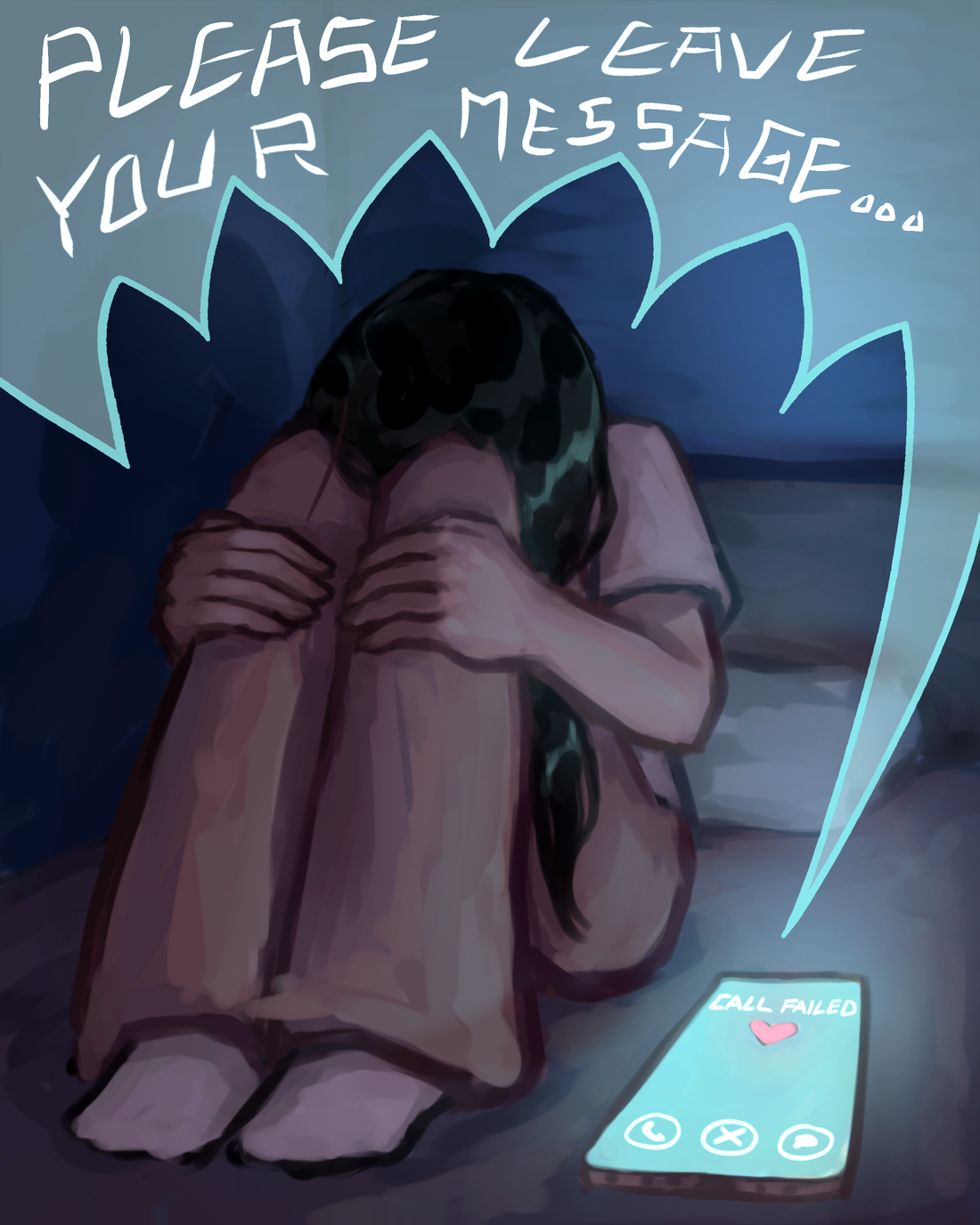
“We accept the love we think we deserve” is a popular quote from the coming-of-age novel The Perks of Being a Wallflower that illuminates the way people’s own self-worth dictates their relationship dynamics. This exploration of self-worth, or lack thereof, manifests itself in the form of situationships. Over the last five years, these so-called situationships have increased greatly, especially amongst the youth.
Humans tend to view romantic relationships as a give-and-take bond. While the brain may picture indulging in a relationship as a loss of control, it also experiences an increase in dopamine levels, leading to greater motivation and general happiness. A lack of love would therefore result in a motivational deficit and, oftentimes, a depressive state for those who seek validation from romance. Such intense emotional requirements cause people to act quickly to satisfy them, and in a chase after greater dopamine levels and simultaneous protection from commitment, people engage in situationships.
Situationships are relationships characterized by a lack of commitment and labels, resulting in an uncertain dynamic that is neither fully romantic nor fully platonic. In Stuyvesant and other high schools, students may enter situationships because they instinctively desire to be seen as lovable. After all, love itself is more than just an emotion; it is a biochemical survival instinct that helps form emotional bonds in a species that is interdependent on social connection. But because many adolescents have fluctuating emotional impulses due to their developing brains and hormones, when faced with love, many may not know how to navigate such intense feelings.
Love as a biological feature also makes differentiating between romantic love stemming from a genuine relationship and love stemming from a noncommittal situationship difficult. Humans tend to associate motivation with a naturally positive response, so our brains are wired to pursue situations that raise it. But the lack of permanent security in situationships causes an increase in cortisol, the body’s stress hormone. Along with the increase in cortisol is the simultaneous increase in dopamine as people fall into a sense of light-hearted fun, false security, and intimacy. This desire to be “rewarded” reveals that society’s gravitation towards situationships stems from the need to be compensated for the care that you give. Hence, for teenagers craving love and attention, the vulnerability of a situationship can be overshadowed by the desire for motivation.
A reason situationships have become so popular among young people is because of natural instincts to conform in a society. While situationships can create a sense of unstable emotional security, the search for love can lead teenagers to engage in such relationships. As a result, they may lose a sense of their own autonomy, believing that “genuine love” is a distant, unachievable idea, thus making opportunities for depressive realism to take over.
Situationships are an uncertain territory. This uncertainty builds the pretense of change, the idea that if a person keeps trying, they’ll receive the affection their brain craves. When the brain experiences a positive moment, such as a reciprocated text, the ventral tegmental region, or the brain’s primary reward and motivation center, takes note of it as a “reward” and uses dopamine to promote motivation to obtain that reward again. Unpredictable rewards give people a reason to keep trying for them, causing them to stay put in the relationship so that something can change and they can continuously feel that rush of dopamine. B.F. Skinner, an American psychologist, analyzed this as the concept of “intermittent reinforcement,” the creation of an addictive craving for rewards in relationships. Secret glances in the hall, flowers the day after Valentine’s Day, a text “good morning” and a text “goodnight”—such pleasantries activate the ventral tegmental region. The affection you receive quiets the idea that you cannot be loved, making situationships addictive and simultaneously torturous because of the lack of commitment, creating low self-esteem. It’s almost a narcotic in itself as your ability to put your best interests first may become dulled by the prospect of receiving love.
Love is a natural part of human evolution, and the science behind it demonstrates that the social and attachment bonds it builds are important in our development. When engaging in situationships, people should try to understand the art of letting go and keep in mind the importance of a healthy state of mind. For any type of relationship to succeed, people must maintain their own self-worth; otherwise, it can reach into moments of doubt and uncertainty in emotional bonds and create emotional vulnerability. Through the maintenance of self-respect and by seeking rewards through things that build up our own character, people can overcome this biological fear of commitment and commit to their own self-love.