The Simplification of Cultural Dishes
The simplification of cultural dishes and erasure of their history is becoming more prevalent in today’s fast-paced society.
Reading Time: 4 minutes
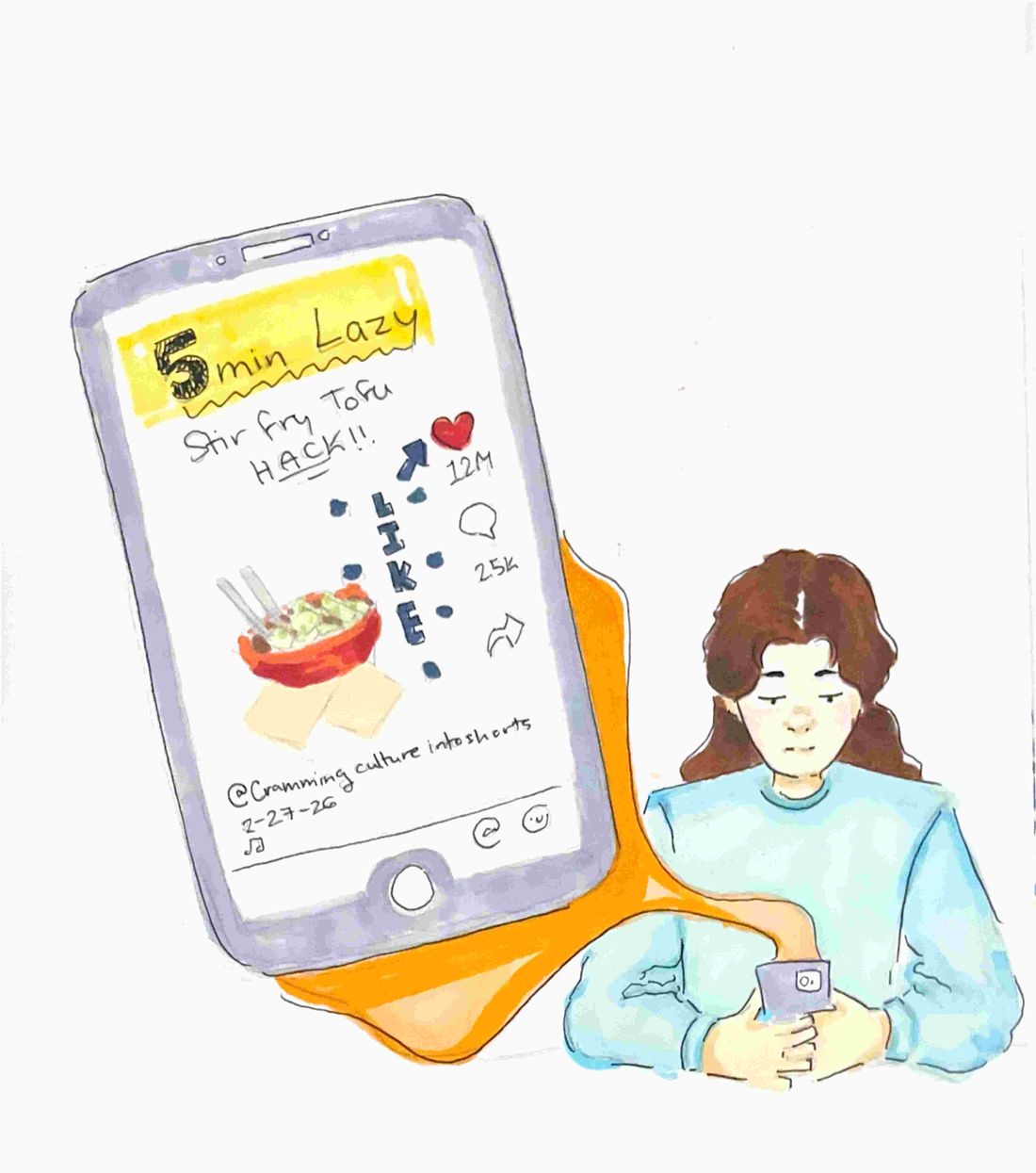
In the age of social media, centuries of history and heritage can be reduced to a hashtag. Recently, influencers have taken to rebranding cultural foods into less “intimidating” versions, transforming dishes rich with history into five-minute simplifications or media sensations with no acknowledgement of their traditional processes. Although quick recipes have their place in providing comfort and familiar tastes during busy workdays, the surge in popularity of quick recipes makes it feel as if tradition is an obstacle to efficiency. As a result, culture becomes nothing more than a sticker label that says “made in [insert country].”
The argument against the simplification of cultural dishes can be easily misinterpreted as a demand for culinary authenticity, when in reality, “validity” is of lesser importance than respect for the different communities and history that created these dishes. Geographically diverse cooking practices and the cogs of history have always shaped what gets put on the table. What matters is education about those influences so people can adapt dishes with awareness.
Recipe creators will often cherry-pick from different cultures’ recipes, taking the most palatable parts while ignoring that food was often born from survival, limited resources, or circumstances that were the opposite of “lazy.” The soul food staple collard greens, for example, has been trending in recent years due to the circulation of shortcut recipes that reduce traditionally long simmering times. During the time of slavery, these greens were some of the few vegetables African Americans could grow and cook due to meager rations and a diet revolving around leftover food from plantation kitchens. Long cooking times were a method of making the most out of limited ingredients, breaking down the fiber, and producing a nutritious gravy from the greens known as “pot-likker.” Shortcutting steps makes the dish more accessible, but when shortcuts are advertised to create a food trend without acknowledging its context, there is a risk of erasing history.
Another example is the internet sensation Dubai chocolate, a milk chocolate bar filled with pistachio cream and shredded phyllo dough (kataifi), which had humble origins as a dessert to fulfill the pregnancy cravings of British Egyptian chocolatier Sarah Hamouda. The original creation was called “Can’t Get Knafeh It!” as a reference to the traditional Middle Eastern dessert, knafeh, that it was inspired by. However, as the dessert exploded in popularity, its origins as a mindfully-adapted recipe by its creator were completely obscured. Soon, even the largest chain stores, such as Starbucks, were offering their version of “Dubai Chocolate,” focusing on following trends for profit instead of acknowledging the original cultural dish behind it. Soon enough, detached from its story, the dessert became synonymous with social media spectacle and excess, being featured in memes about capitalistic indulgence and mass consumption. Meanwhile, knafeh and Middle Eastern culinary tradition faded into the background.
The irony is that many people are using tools of capitalism, such as social media algorithms, to find escape in traditional flavors. In so many cuisines, food is communal and a labor of love. Complex cuisines created with these values in mind are flattened to fit all the criteria of Western corporate culture and internet virality. Recently, the “I’m in a very Chinese time of my life” trend has been making its rounds, standing in stark contrast to post-COVID sinophobia. Non-Chinese netizens are now proudly displaying their adoption of Chinese lifestyle practices, including drinking hot apple water in the morning and sleeping with socks on. It’s no surprise that quick recipes are among these trending aspects of Chinese culture. A standout dish is “Lazy Soup Dumplings”, a trending adaptation of soup dumplings, which suggests stacking the filling and wrappers of dumplings in a lasagna-like shape instead of going through the trouble of wrapping them. In many videos, the highlight is solely the simplicity of the recipe and its ease as a single-serving dish. The original dish, however, was created with the opposite mindset. Around the Lunar New Year, families gather together to roll out dough, mix filling, and pass on traditions by teaching children their techniques. Not only does such content ignore centuries of technique and skill, but it also erases the cultural context in which dumplings are prepared.
It’s understandable that many people are stretched thin. Today, even being able to buy fresh ingredients is a luxury as the cost of living rises and food “deserts” prevent easy access to food. However, there is a difference between adapting cultural food with awareness and simply marketing it as a “lazy version” for the sake of garnering more clicks and views.
For the busy home cook, some illusions of inaccessibility also come from fearmongering about perfection. Part of the problem is the mindset that a good dish must not only be aesthetic, but technically flawless to truly honor a culture’s traditions. What follows are trends of cultural appropriation in recipes that are marketed to be less of a hassle than giving credit where it’s due or spending time to educate oneself. However, what really matters is an understanding of the dish’s importance and a commitment to carrying on the spirit of that food. If it’s a communal dish, aim to share it with others and invite conversation around it. If you have the luxury of time, learn the full processes and history behind what is being made, as well as why it is important. In doing so, reclaim the social campfire that cooking once was and revive the art of storytelling.
Responsibility doesn’t end there. Another act of respect is supporting cooks, restaurants, and communities serving dishes you are inspired by, as well as calling out erasure or appropriation when you see it. In becoming aware and committing to these small actions, food and the act of cooking regain their meaning, and become more than just a fleeting trend.