The Chic Problem
A look into the (over)use of the word chic and what has sparked this recent obsession.
Reading Time: 4 minutes
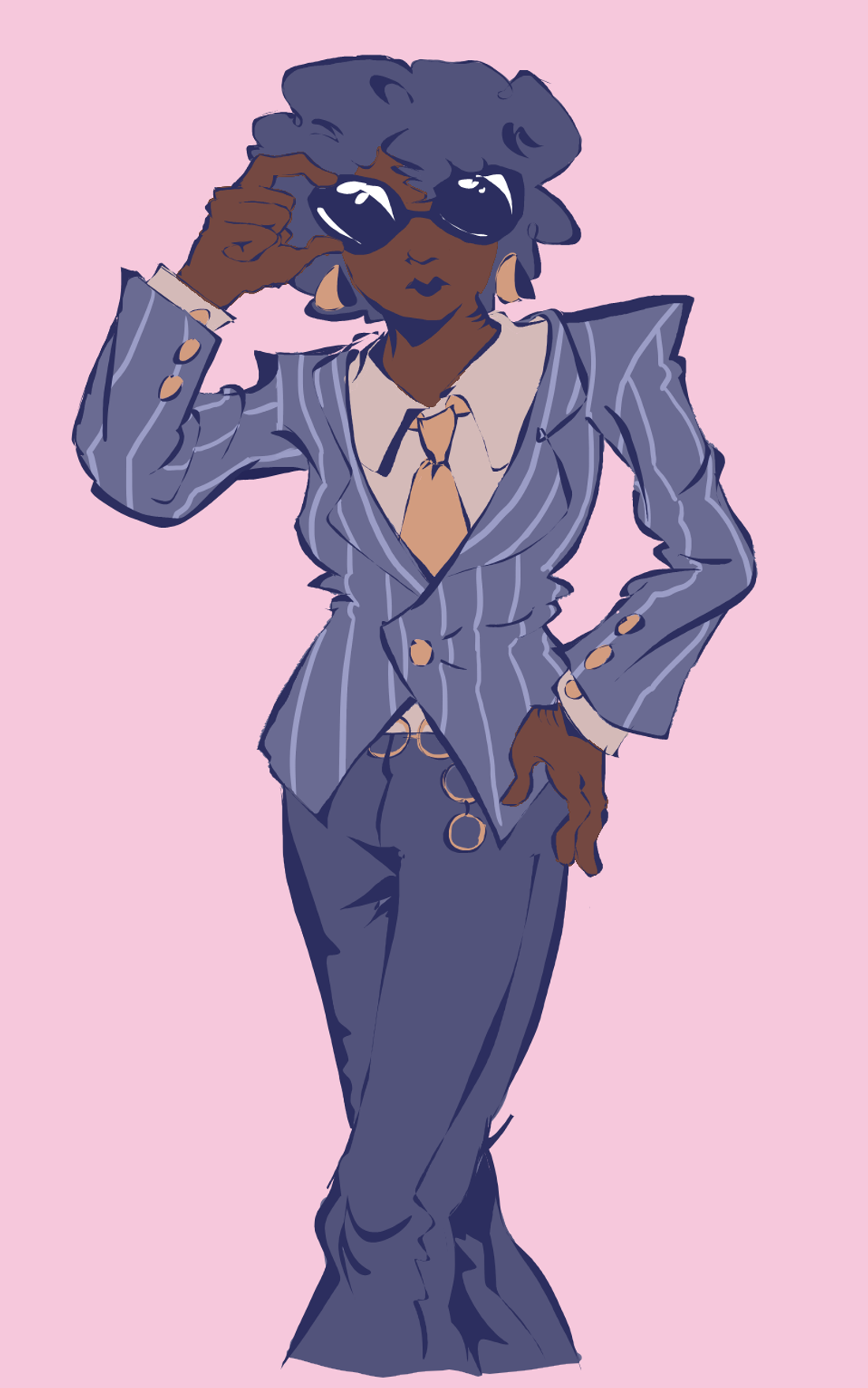
Everything, apparently, is kinda chic. Messy hair is chic. Blown-out hair is chic. Being put together is chic, but looking like you got dressed in the dark is also chic. Designer brands are chic. Underground fashion is chic. Big sunglasses. Small sunglasses. Average sunglasses?
Calling something chic is strangely self-defeating. The label doesn’t just describe it. It signals that the object is capable of making you achieve a certain status and look like the kind of person who wouldn’t need to be told what’s chic. It is an instruction manual for how to look like someone who doesn’t follow instructions. Not only does this logic not track, but there’s something disconcerting about watching millions of people receive instructions for individuality, and then continue to believe that they’re unique. Ironically, they are blurring their own identities in the pursuit of authenticity, seemingly oblivious to the loss.
Trends have always produced uniformity. To an extent, following trends is normal and healthy, and it means you pick up on social signals within your environment. What’s particularly unnerving about “chic,” though, is that it brands conformity as individuality. With chic, instead of allowing our preferences to reveal who we are, we are increasingly basing parts of our character on who we want them to make us, which is a reversal of the natural order of identity.
That difference seems small, but psychologically, it isn’t. Self-Determination Theory (SDT) is a broad psychological framework for the study of what drives people to make choices without external pressure based on autonomy, competence, and relatedness. Underneath SDT, there are six mini-theories that aim to address one facet of motivation or personality functioning, one of them being Goal Contents Theory (GCT). GCT is based on the distinction between intrinsic goals, such as growth, relationships, community giving, and health, and extrinsic goals, such as wealth, fame, and beauty. Psychologists Tim Kasser and Richard Ryan at the University of Rochester performed two studies on the effect of extrinsic versus intrinsic values on one’s mental state. They found that people whose lives revolved around extrinsic goals reported lower well-being and greater distress. Conversely, those who prioritized intrinsic goals reported the opposite: higher well-being and lower stress.
“Chic” takes taste—something that should be largely intrinsic—and makes it extrinsic. Rather than allowing your preferences to define you, your “preferences” are defined by the aura you want an audience to perceive. The problem isn’t that extrinsic preferences exist; it’s important to be aware of how you’re perceived by the world around you. The problem is when the extrinsic values precede the intrinsic, which is exactly the effect of striving for chic. Once you decide you want to be chic, your own taste becomes secondary to the performance of having taste.
Even the root and dilution of the word itself mirrors this reversal. Chic is defined as elegance and sophistication. Yet, the characteristics social media attributes to being chic cover a spectrum of genres and contradictory actions. The fact that contradictory things, like big and small sunglasses, can simultaneously be chic means that the only thing “chic” things share is that they can communicate status.
Research on status signaling helps explain the contradictory use of the word chic. Silvia Bellezza and Jonah Berger at Columbia Business School challenge trickle-down theories, which suggest that status symbols and fashion trends originate from the elites and move downward, with “trickle-round” theory. They argue that elites sometimes adopt items associated with low-status groups to distinguish themselves and show nuance in taste. A high-status person might wear ripped jeans rather than a designer brand, and a nice restaurant might serve fast-food staples, like a burger. Sophistication doesn’t come from the object itself, but from knowing when the “wrong” choice is actually tasteful. This sophistication is what chic is attempting to achieve, and why it’s often contradictory. Chic isn’t a style, but a promise that your actions create a culturally fluent persona.
The problem begins when cultural fluency becomes something we can identify and reproduce. We use “chic” to explain how accessories like wired headphones signal this intuitive style, and soon, millions of people are following the same rulebook for this fluency. But once an object becomes known for communicating good taste, using it to genuinely signal intuitive taste is absurd. Chic has an expiration date: as soon as we identify something as chic, it becomes less chic. The moment we choose to be chic, the preferences lose their value as evidence of individuality. They don’t reveal an identity; they only reperform an (overdone) identity. Yet, in trying to attain it, we sacrifice the imperfect taste that makes chic so intriguing in the first place. This reveals a bigger problem than just the word. We’re unable to be comfortable in an imperfect identity.
There’s nothing wrong with copying an outfit you saw on Pinterest, buying something you saw promoted on Instagram, or simply following a trend. We’re humans, and we’re designed to find community. The solution to the “chic problem” isn’t to become immune to influence. The solution is to stop demanding that every preference work towards an outcome, or be a piece of a perfect individual identity that you’re performing. The most individual thing we can do is stop trying so hard to manufacture individuality. Chic, if it exists, has to emerge from an imperfect identity, not create a perfect one. The second we strive for it, we’ve lost it.