
Postpartum Psychosis: Beyond the Baby Blues of Lindsay Clancy's Case
Lindsay Clancy’s case examines how postpartum psychosis can change a person’s perception of reality, and raises questions about the extent of mental illness and its effects on criminal responsibility.
Reading Time: 4 minutes
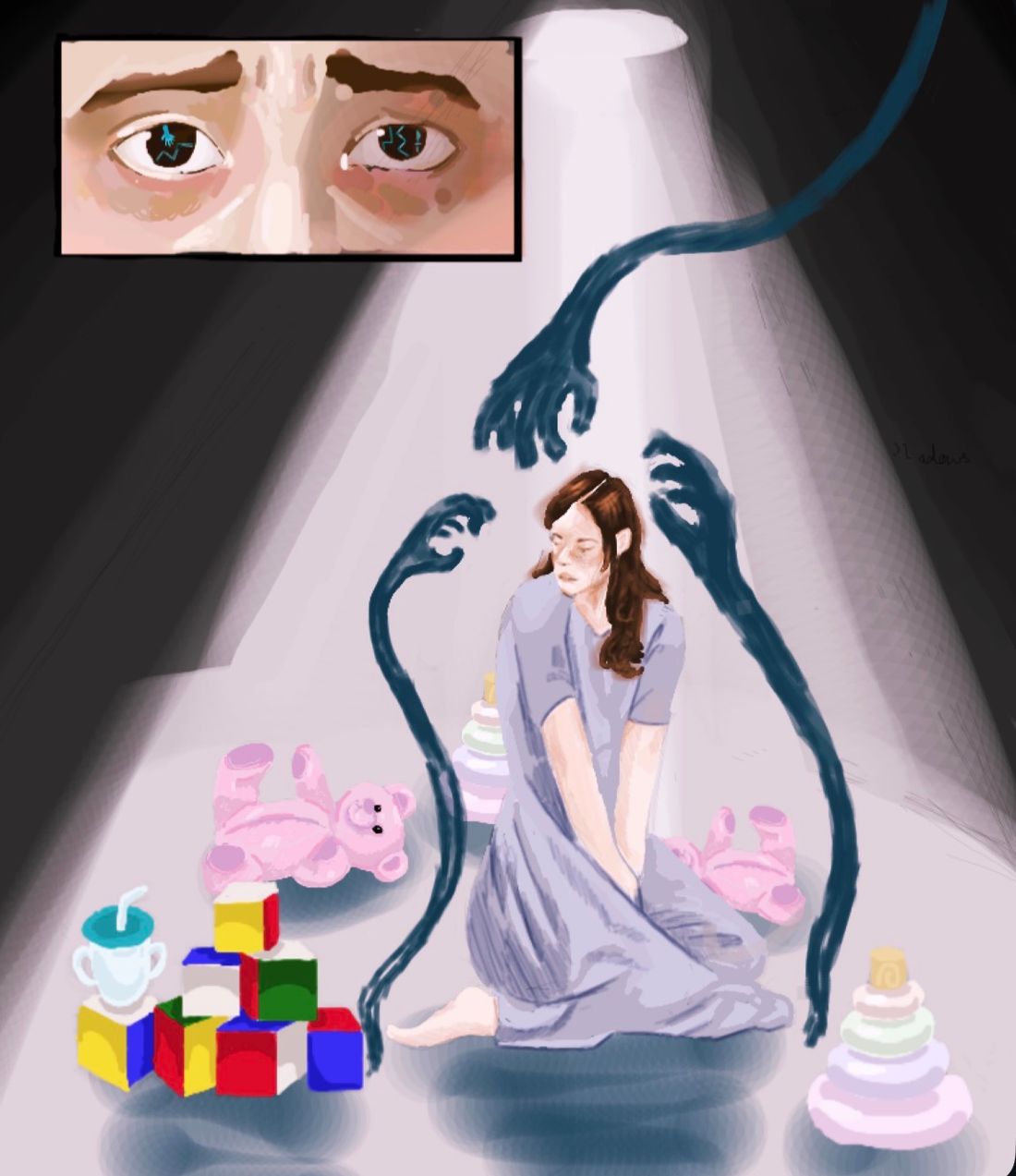
Lindsay Clancy killed her three children—five-year-old Cora, three-year-old Dawson, and eight-month-old Callan—at the family's home in January 2023. She then attempted to commit suicide, leaving multiple injuries to her body. Her case opened a widespread debate over the conditions of postpartum psychosis, a rare psychiatric emergency that causes people to lose touch with reality after giving birth, and her motives behind the murder to determine whether she should be held criminally responsible. Commonwealth v. Lindsay Clancy investigates when mental illness becomes so severe that a person can no longer distinguish reality from hallucination. Commonwealth v. Lindsay Clancy has brought this debate into the courtroom, with many arguing about whether she was legally responsible for killing her three children or whether postpartum psychosis played a big role. Was this act premeditated or blurred by mental illness?
Many lawyers argued that she sought medical assistance and had become detached from reality, experiencing auditory hallucinations, and that an underlying bipolar disorder contributed to her condition. The defense stated that her mental health had continued to decline after childbirth, presenting symptoms including insomnia and suicidal thoughts.
Postpartum psychosis affects about one to two in every 1,000 births (0.1 percent). It is a very rare yet dangerous diagnosis. This usually develops within the first two weeks after childbirth, but can also develop later on during the postpartum period.
Some symptoms include, but are not limited to: hallucinations, delusions, paranoia, severe confusion or disorientation, severe agitation, mania or unusually high energy, very little or no sleep, mood changes, disorganized thinking or behavior, and command hallucinations, such as voices telling someone to do something harmful to themselves or another individual. Many women with postpartum psychosis experience issues with concentration and thinking. Some experience paranoia and become suspicious of their surroundings, while others hear faint noises or voices. Common symptoms also include mood swings and fragmented sleep, often resulting in insomnia. Many early warning signs of psychosis emerge soon after giving birth, such as social withdrawal, a decline in functioning (such as poor performance on tasks), and indications of self-neglect (such as loss of interest in personal hygiene).
What exactly defines a person as having postpartum psychosis? About one-third of people with postpartum psychosis have a previously diagnosed mental health condition. While there are many mental health conditions correlated with postpartum psychosis, the strongest known risk factor is bipolar disorder, specifically bipolar I, which Clancy’s lawyers argued she had in addition to her psychosis. Postpartum psychosis does not only affect people with bipolar disorder; it can also occur in people with no prior psychiatric hospitalization or history of mental illness.
There is also a heightened risk of suicide that postpartum psychosis significantly spikes. Research estimates about a four percent chance of infanticide and a five percent chance of suicide among affected women, but estimates usually vary. Most women with postpartum psychosis do not hurt their babies: the condition is rare, and harmful outcomes represent only a small minority of cases.
Although researchers are still discovering what causes postpartum psychosis, many studies have found crucial differences between brain regions in women who develop this disorder. A study conducted using MRI scans found smaller areas in the anterior cingulate cortex, parahippocampal gyrus, and superior temporal gyrus in women who had postpartum psychosis compared with women who were at risk but ultimately did not develop it. This can explain certain symptoms such as confusion and distortion, since these specific parts of the brain are responsible for emotions and memory processing.
Since postpartum psychosis is severe, treatment may include hospitalization, antipsychotic and mood-stabilizing medication, and sometimes electroconvulsive therapy. Since there is a lack of knowledge about this dangerous disorder, there is often a stigma surrounding treatment. Although the disorder is reversible, it can leave severe consequences. People with postpartum psychosis have a much higher risk of harming themselves, dying by suicide, or harming their children.
Some people mistake postpartum psychosis for postpartum depression. Postpartum depression is a more common condition, marked by feelings of sadness, anxiety, hopelessness, and loss of interest. It affects around one in seven women after giving birth. Psychosis, however, is different: it involves a loss of contact with reality and can lead people to do harmful things. Postpartum psychosis is rarer and harder to diagnose, yet some people continue to use the two terms psychosis and depression interchangeably.
As of right now, Lindsay Clancy’s conviction has resulted in a mistrial after the jury failed to come to a unanimous decision following seven days of deliberation. Ultimately, her defense’s argument is that she murdered her children but should not be held criminally responsible due to the detrimental state of her mental health after experiencing postpartum psychosis. Simultaneously, determining liability means careful examination of circumstances that may have caused this outcome. This case serves as a reminder that behind a legal debate stand real lives lost to a tragedy. It signifies the importance of mental health and stresses the importance of proper medical care.