
America’s Pastime is Becoming America’s Advertising Space
As corporate logos spread from batting helmets to championship branding, Major League Baseball must decide how much of its identity it is willing to sell.
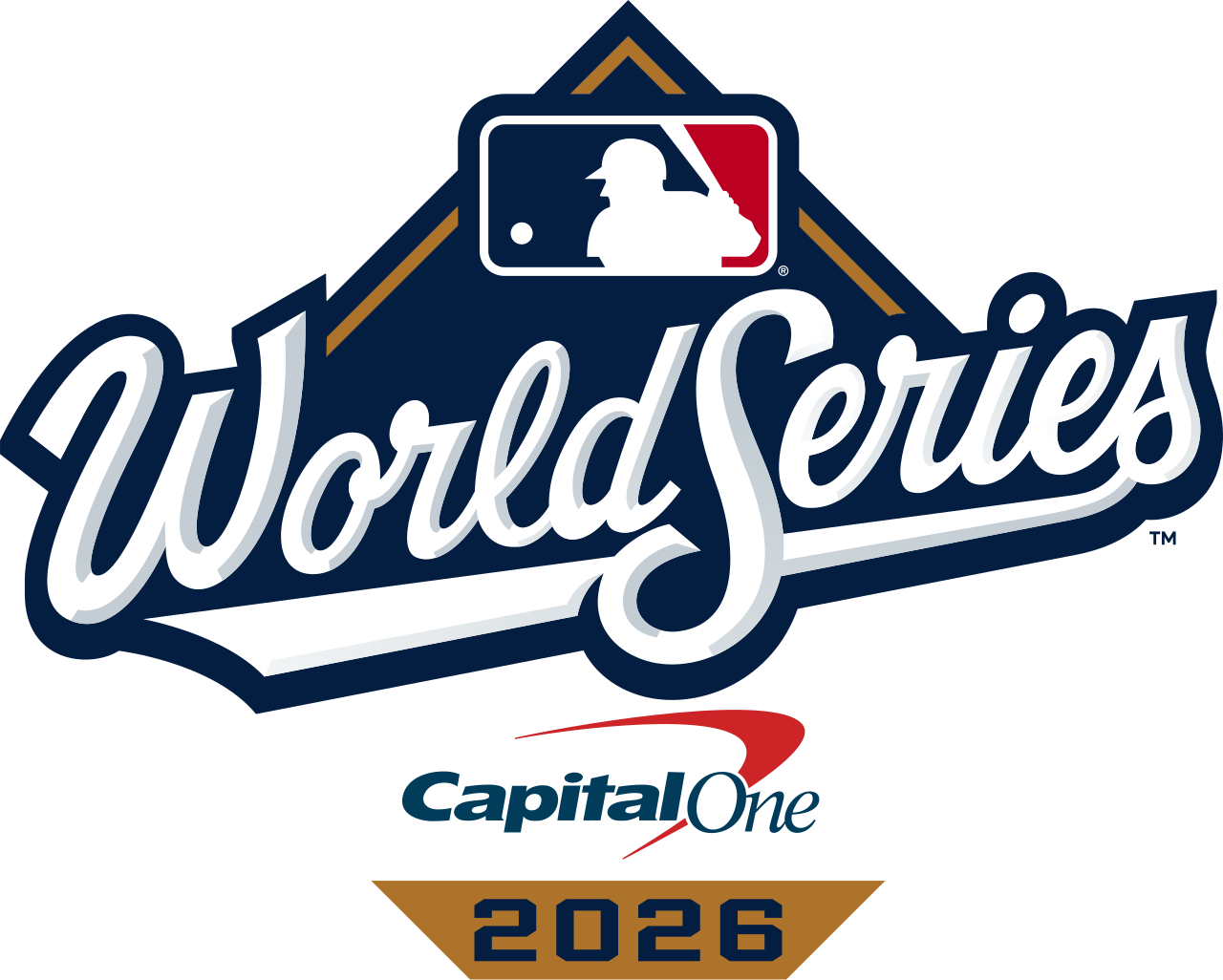
For generations, watching a baseball game meant focusing on the competition, the players, and the traditions surrounding the sport. The uniforms were recognizable, the biggest moments belonged to the players, and the game itself remained at the center of the experience. Advertising was always there, from outfield walls to commercials between innings, but it generally remained separate from the action on the field. Now, it increasingly seems that Major League Baseball (MLB) is looking to put a corporate logo anywhere it can.
The 2026 postseason offered several examples of this shift. The Strauss logo appeared on every player’s batting helmet in every game throughout the playoffs. Capital One was part of the World Series logo. The new Automated Ball-Strike (ABS) challenge system continues to be presented as “ABS powered by T-Mobile.” All 30 MLB teams wear sponsored jersey patches. Meanwhile, television broadcasts feature live betting information for prediction companies like Polymarket alongside commentary. Individually, these sponsorships might seem insignificant. Together, they reflect a sport that is becoming more and more comfortable turning its most recognizable features into advertising space.
There is nothing inherently wrong with sponsorship. Professional baseball is an expensive enterprise, and corporate partnerships provide valuable revenue to the league and its teams. Advertising on stadium walls and during commercial breaks has been happening since baseball was first broadcast, allowing the MLB to generate revenue without fundamentally changing the game itself. The distinction should be made, however, between advertising that supports the sport and advertising that becomes incorporated into its identity. The question is whether every part of the sport should be available to sponsors.
Traditional advertising occupies fundamentally different roles from these newer forms of sponsorship. An advertisement in the stadium exists around the game, not as a part of it. Fans can watch a baseball game without associating the playing field, the players, or the competition itself with the companies advertising around them. A logo on a batting helmet, however, is visible every time a player steps up to the plate, while branding attached to the ABS challenge system makes a corporate sponsor part of an actual baseball operation. This is a more intrusive form of advertising because it uses the sport’s own traditions, equipment, and institutions to promote outside businesses. A batting helmet and jersey are key parts of a player’s uniform. The World Series logo represents the culmination of an entire season. These are not empty spaces waiting to be filled. They are pieces of the game’s identity, shaped by decades of tradition; they are familiar to generations of fans. A team’s uniform, for example, connects its current players to the generations who wore the same colors before them. Designs, like the Yankees’ pinstripes or the Dodgers’ interlocking LA logo, are part of what makes a team recognizable, regardless of who happens to be sponsoring them. When corporate branding enters these spaces, the distinction between the sport itself and the businesses that profit from it becomes harder to maintain. When fans think of a team, they should think of its players, its uniform colors, and its history—not the company logo on a player’s helmet or the corporate patch on the shoulder of an otherwise iconic uniform. At what point does advertising stop complementing the game and start taking away from it?
Gambling promotions present a related, though distinct problem. Unlike a logo on a helmet, repeated betting advertisements can influence how audiences experience the game, encouraging viewers to think about wagers alongside the competition itself. Baseball has traditionally centered on the unfolding drama of a game: a pitcher’s duel, a crucial at-bat, or a late-inning comeback. Betting promotions introduce another layer of attention, encouraging viewers to focus on odds and potential payouts rather than simply appreciating the competition. When the play-by-play announcer for the World Series discusses live betting odds on Polymarket as the game returns from commercial break, it seems as though Major League Baseball doesn’t just condone betting: it actively incorporates it into the viewing experience. This is particularly concerning for younger audiences, who may begin to associate their interest in sports with gambling before fully understanding its risks. Although this trend extends beyond baseball, its presence in game broadcasts makes it increasingly difficult for viewers to separate the enjoyment of the sport from the promotion of betting.
Ultimately, MLB faces a choice between maximizing advertising revenue and preserving the traditions that make the sport distinctive. Creating a balance between the two does not mean eliminating sponsorships. The league can continue selling advertising on stadium signage and during commercial breaks while maintaining limits on branding within uniforms, championship logos, and other defining symbols of the game. Sports betting promotions, in particular, should not become a regular feature of game broadcasts. Baseball’s longevity has allowed it to develop something that extends beyond any individual sponsor: a history, a sense of continuity, and a connection between generations of fans. Those qualities are precisely what make baseball valuable to advertisers in the first place. The irony is that, in its effort to monetize that value, MLB risks diminishing what created it. The league should remember that not every inch of baseball needs to be for sale.